Previous ASME Award Winner

Capstone Design Projects

Ionic Cleaning System for Optical Surfaces

2022-2023 - Spring

Team: 2

Team Members

Manuel D. Ochoa-Ochoa
Roberto S. Medina
Erik D. Mauricio Jimenez
Luis E. Cruz Acosta

Contact Team
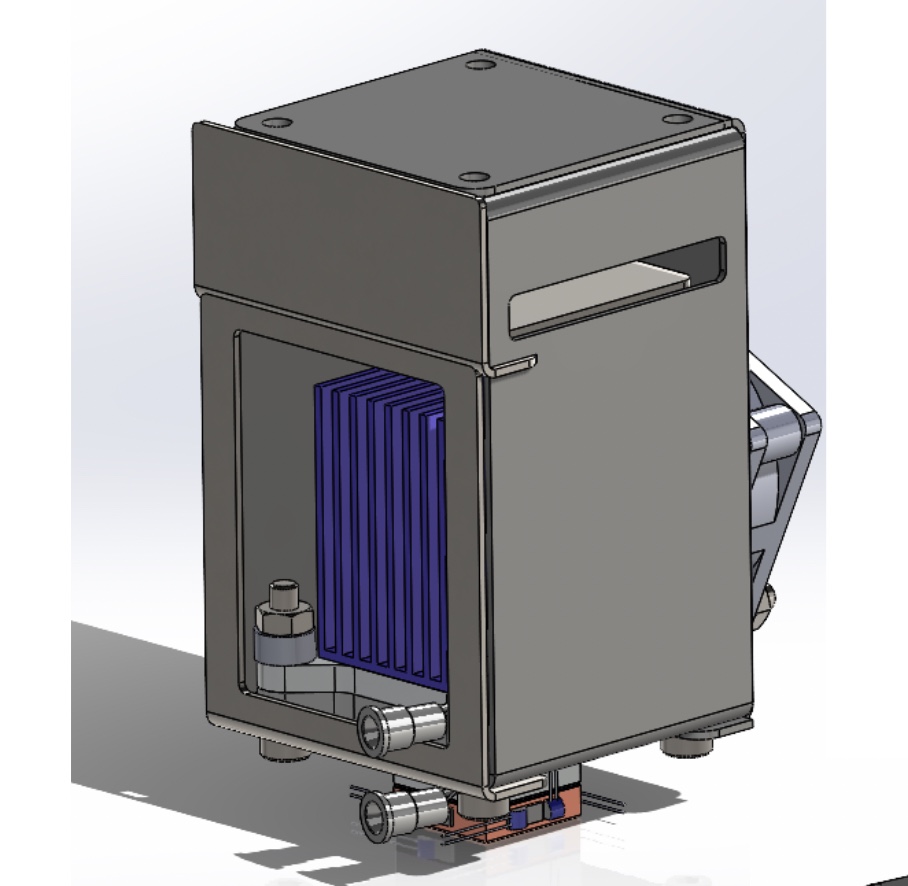
Final Design of the Low Cost Ionizing Unit

Adaptive Motorized Swing

2022-2023 - Spring

Team: 1

Team Members

Fadi Shaba
Brandon Char
Faith Edrosolano
Angelica Stuczynski
Roman Schlichting
Contact Team
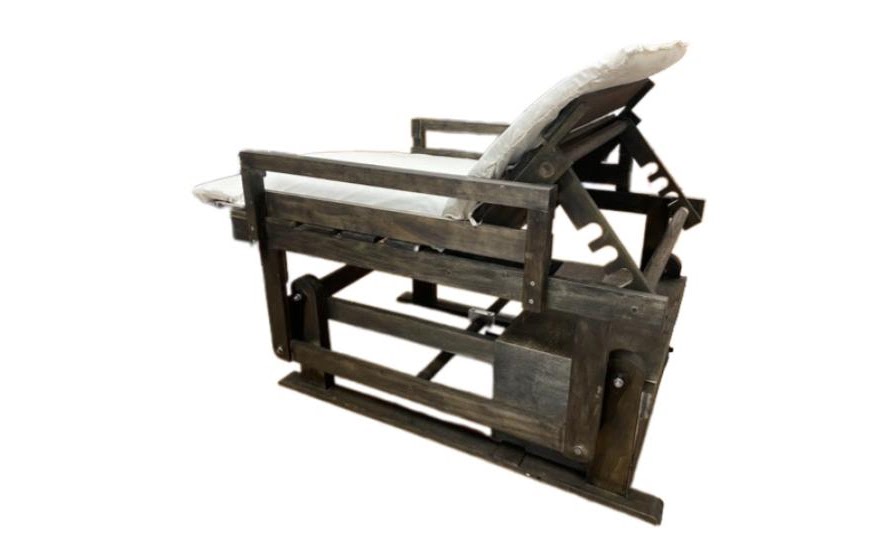
UCSD alumni, Michaelle and Kevin, fund a project to assist their son Tristan, who suffers from a KCNH1 gene mutation causing severe symptoms including sleep disturbances. Currently outgrowing his baby swing, a crucial sleep aid, this project aims to create a motorized, adaptable rocking swing suitable for Tristan's growth, utilizing a basic glider and crank rocker mechanism, operating from 0-67 RPM.
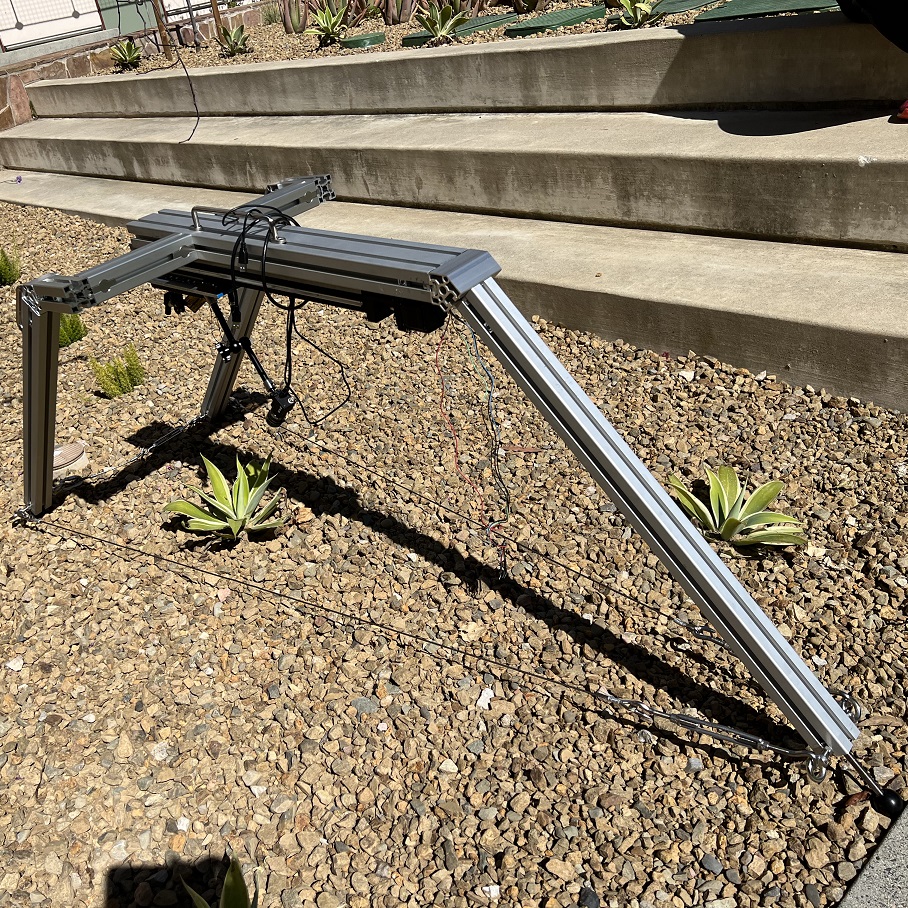
Final Manufactured Structure

Ocean Well RO Membrane Characterization

2022-2023 - Spring

Team: 28

Team Members

Parker Knopf
Jennifer Hernandez-Mora
Nikhil Iyengar
Karina Plascencia
Jaden Gilliam
Contact Team
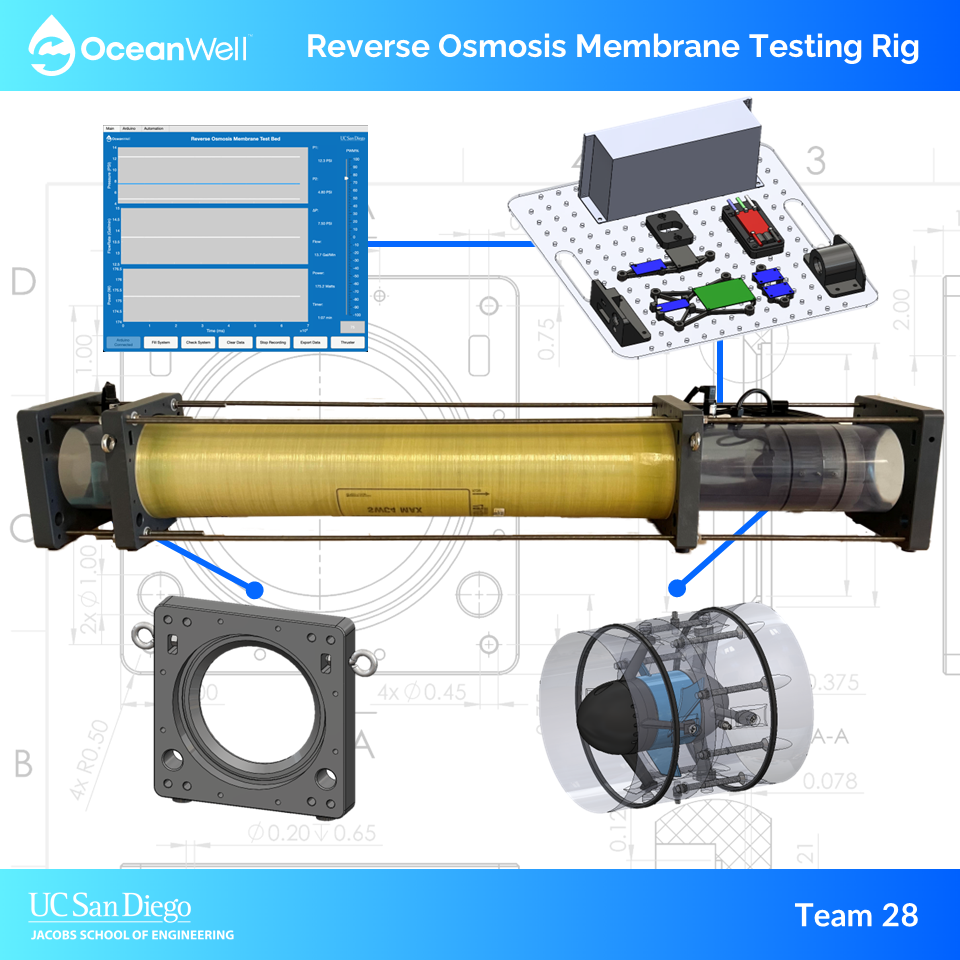
To design, manufacture, and empirically test a Reverse-Osmosis membrane (RO membrane) with the intent of finding flow rate and pressure drop due to an axial thruster. This testing rig would then be used to test other RO membranes. Integrated with submersible flow and pressure sensors data was collected and displayed for the user during testing. Wet testing of the device provided linear relationships between power, pressure drop, and flow rate.
Overall Apparatus and Main Module Breakouts

An Underwater Robotic Vehicle For Plankton Imaging

2022-2023 - Spring

Team: 30

Team Members

Ryan Evans
Andrew Keller
Caitlin Le
Myat Ei Mon (Amy)
Kaitlyn Wong

Contact Team
Plankton imaging devices are important tools for environmental research, yet there are no affordable and open-source options, making it inaccessible for many researchers in the field. The Plankton Imaging Robot solves this gap as an open-source device with parts that can be purchased and 3D printed. It can move through the ocean up to 50 meters. The robot captures images of plankton inside a flow channel within the housing, where a thruster pulls water through as the device descends.
A rendered image of the plankton imaging robot. It is a large cylindrical tube with fins on the outside of the ends and electronic components inside. A flow channel passed through the inside of the waterproof housing.

Semiconductor Test Bench Temperature Control Unit

2022-2023 - Spring

Team: 18

Team Members

Alexandra Fernandez
Diego Flynn
Giordano Liska
Amir Saman Naseri

Contact Team
Designing a temperature control unit, used for semiconductor testing, to be inexpensive, easily repairable, and manufactured hsing comercially available parts
Final TCU prototype

High-precision system for humidifying dry air streams in greenhouse gas analyzers

2022-2023 - Spring

Team: 29
Team Members

Rayan Ahmed
Alisha Cerniglia
Johnathan Low
Diego Ramirez
Alan Vu

Contact Team
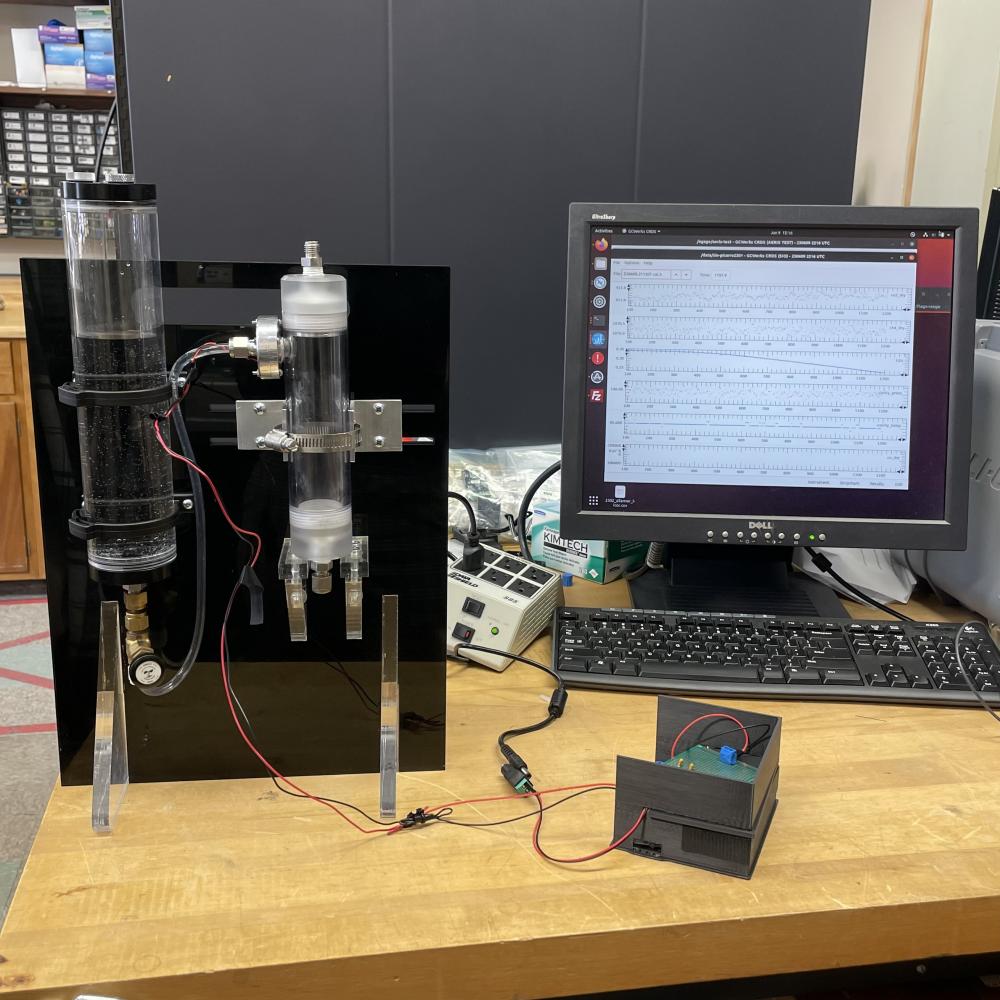
The high-precision system for humidifying dry air streams in Greenhouse Gas (GHG) analyzers is necessary for researchers at Scripps Institution of Oceanography to accurately measure GHG content in the atmosphere. This requires the introduction of a stable air sample with adjustable moisture content into their GHG analyzers. This project’s goal is to design a mixing chamber and attached piezo circuit to atomize dry air to a range of 0.01-1% that can be used to calibrate the optical GHG analyzers.
Image shows humidification chamber connected to Piezo atomizer circuit and test stand.

Instrumented Epidural Needle Injector

2022-2023 - Spring

Team: 31
Team Members

Natalia Berrios-Rivera
Dylan Cullinane
Eason Lai
Ashley Manalad

Contact Team
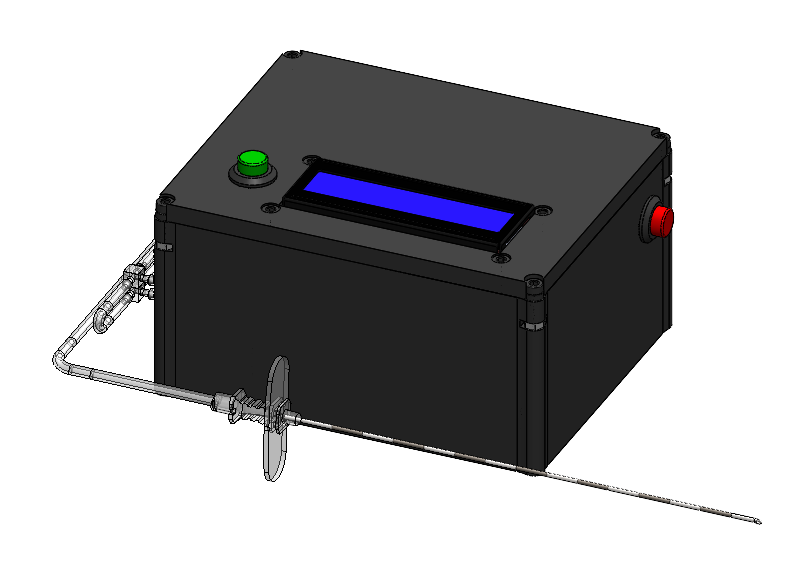
This device uses two pressure sensors and a piezoelectric pump to measure the pressure drop in the system as the needle advances through the different layers of a patient’s tissue. The device attaches to an epidural needle, accurately detects the resistance the needle feels, and notifies the doctor once the needle enters the epidural space.
CAD model of exterior of Instrumented Epidural Needle Injector

Smartfin

2022-2023 - Spring

Team: 27

Team Members

Michael Hobrock
Melissa Chan
Gus Blankenberg
Tommy Sardarian
Sara An

Contact Team
In order to keep track of climate change, it's important to measure oceanic data from all areas of the ocean; however, shorelines are difficult to measure due to their constantly changing environments. In order to combat this issue, the Smartfin was made. The Smartfin is a custom surfboard fin that can measure oceanic metrics using embedded electronics. Our team's goals were to create a documentation process for the construction of these fins, and to strengthen them.
Surfboard Fin Made Out of Resin and Fiberglass

SE ARMOR Lab Smart Pill Bottle

2022-2023 - Spring

Team: 23

Team Members

Johnny Nguyen
Gabe Dommes
Jayden Wood
Alec Bronson Wheelan

Contact Team
Partnering with UC San Diego's Active, Responsive, Multifunctional, and Ordered-materials Research (ARMOR) Lab and SANO Healthcare Consultants, our project aims to produce a custom pill bottle cap that is able to dispense a single pill at a time for different types and shapes of pills, and be operated by one hand with a low-cost multifunctional cap
Smart Pill Bottle Cap placed on prescription pill bottle on white background

UCSD Scripps Ultra-quiet Autonomous Underwater Vehicle

2022-2023 - Winter

Team: 7

Team Members

Amanda Kerlee
Yash Mhaskar
Sukhraj Sekhon
Katada Siraj

Contact Team
An ultra-quiet autonomous underwater vehicle capable of identifying, tracking, and imaging objects to be used to study and track fish up to 100 m deep.
SeaLion - Ultraquiet AUV

James Webb Space Telescope Replica

2022-2023 - Winter

Team: 8

Team Members

Team Member 1: Natalia Bautista
Team Member 2: Jian Qin
Team Member 3: Benjamin Noriega
Team Member 4: Yuhuai Song

Contact Team
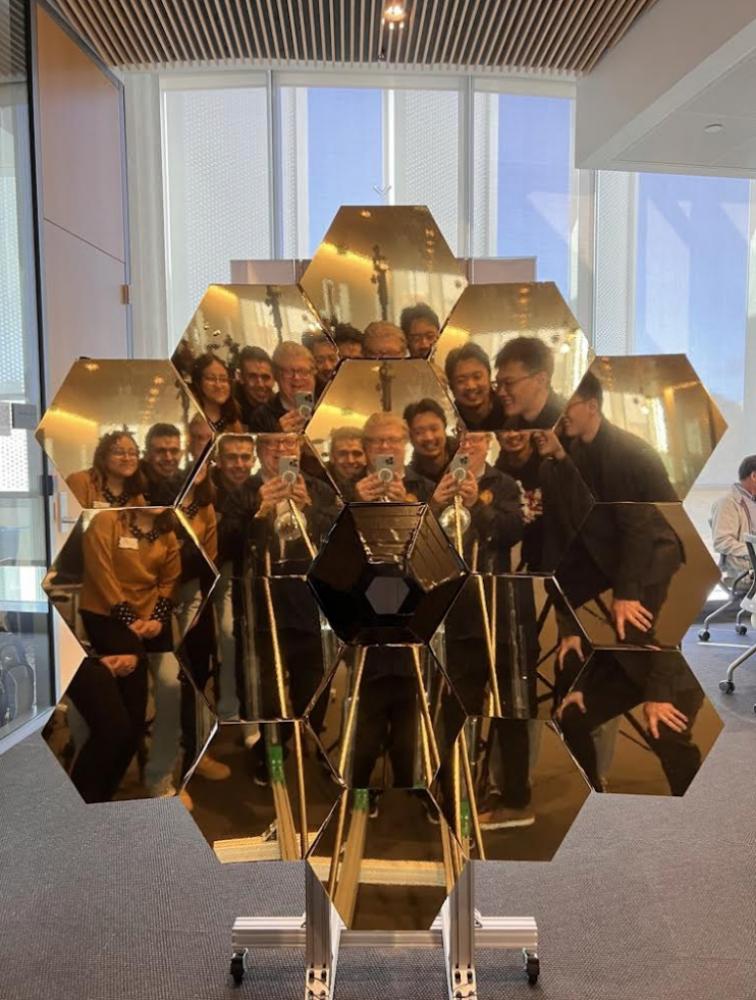
The main objective of the project is to build a replica of the James Webb for the purpose of demonstrating to people outside of the realm of engineering how telescopes similar to it captures amazing images like those that have been released recently. The replica is to reflect laser light from distant locations within a room, sport a similar structure/folding mechanism.
James Webb Replica, meant to reach principles of reflecting telescopes.

3D Terrain Scanner

2022-2023 - Winter

Team: 5

Team Members

Jamie Doan
Christopher Gleaton
Aditya Shah

Contact Team
We have been tasked with the development of a portable 3D scanner using a camera and laser in order to obtain topographic data for small-scale (<0.5 square meters) field locations. The device will connect to a laptop and output topographic data in a text file. This data can be used to track and/or model paths of motion for insects as well as biologically-inspired microrobots to support the research efforts of Gravish Lab.
Assembled Device without Electronics Housing

Pull-up Power Meter

2021-2022 - Winter

Team: 5
Team Members

Elaine Carlson
Tobias Hirth
Dominic Miller
Jason Rosas
Zack Reuter

Contact Team
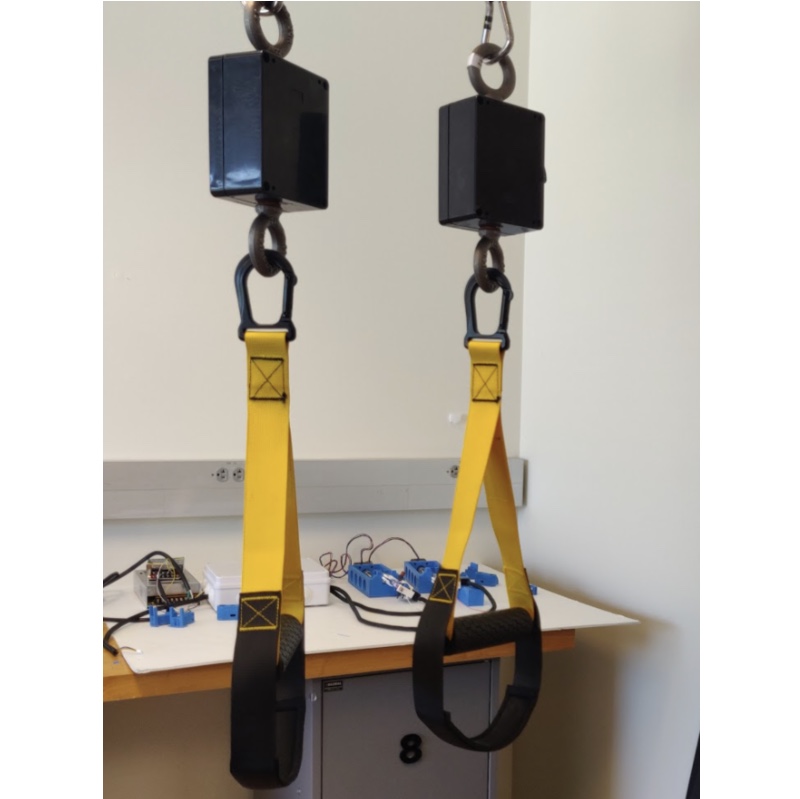
Athletes are susceptible to developing strength imbalances between the two sides of the upper body due to sport or injury. We developed a tool to quantify this imbalance. Our solution is a device consisting of a load cell, a microcontroller, and a battery that can be used in pairs connected to existing workout equipment, such as suspension training straps.
Image shows 2 black boxes on top of fabric pull up bar rings

Variable Stiffness Prosthetic Limb

2021-2022 - Winter

Team: 2

Team Members

Liam Fowler
Anna Nguyen
Uy Cao Vu
Qifan Yu

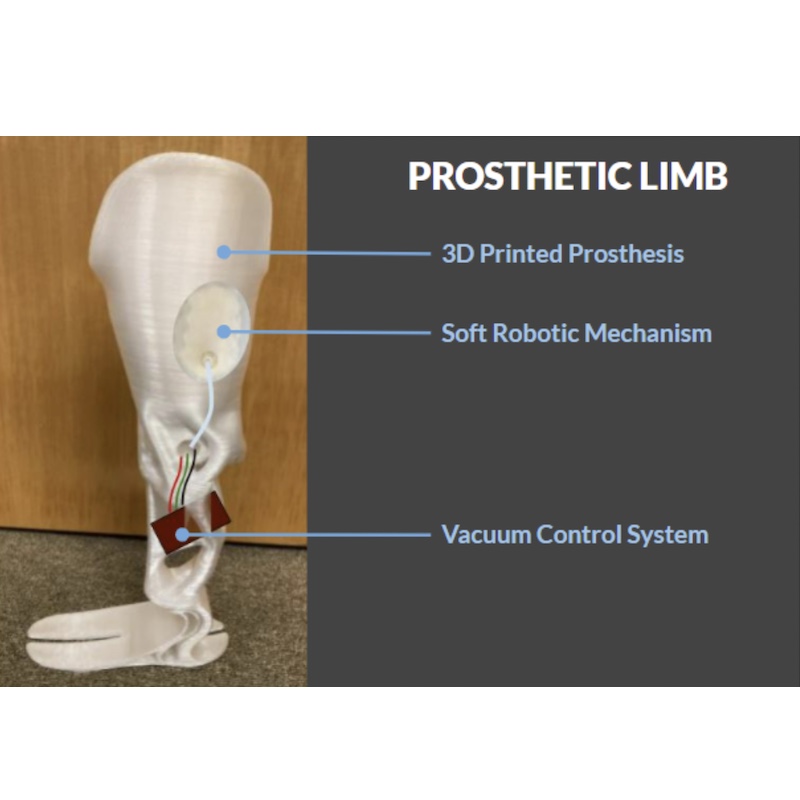
Prosthetics can be uncomfortable especially as the residual limb, or leg, can change volume by up to 10% throughout the day. As a result, up to 20% of patients don't use their prosthesis. Therefore, this project implements soft robotic jamming structures to sensitive areas in the prosthesis socket which can control the pressure at those areas as the limb moves and changes volume, improving comfort.
Image of 3D printed prosthetic lower leg from shin downwards, with labeled oval shaped soft robotic mechanism on inner leg, and small vacuum control system electronics hanging off shin area

Sustainable Flow Chemistry System

2021-2022 - Winter

Team: 3

Team Members

Eden Detmer
Zaivy Gonzalez Valencia
Shravan Suresh
Nhat Tang

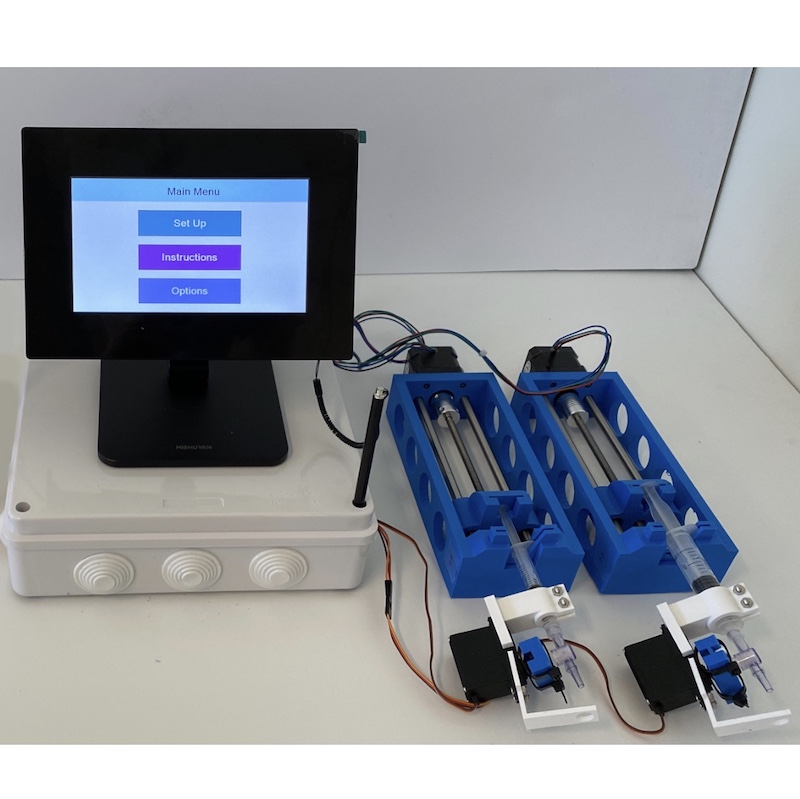
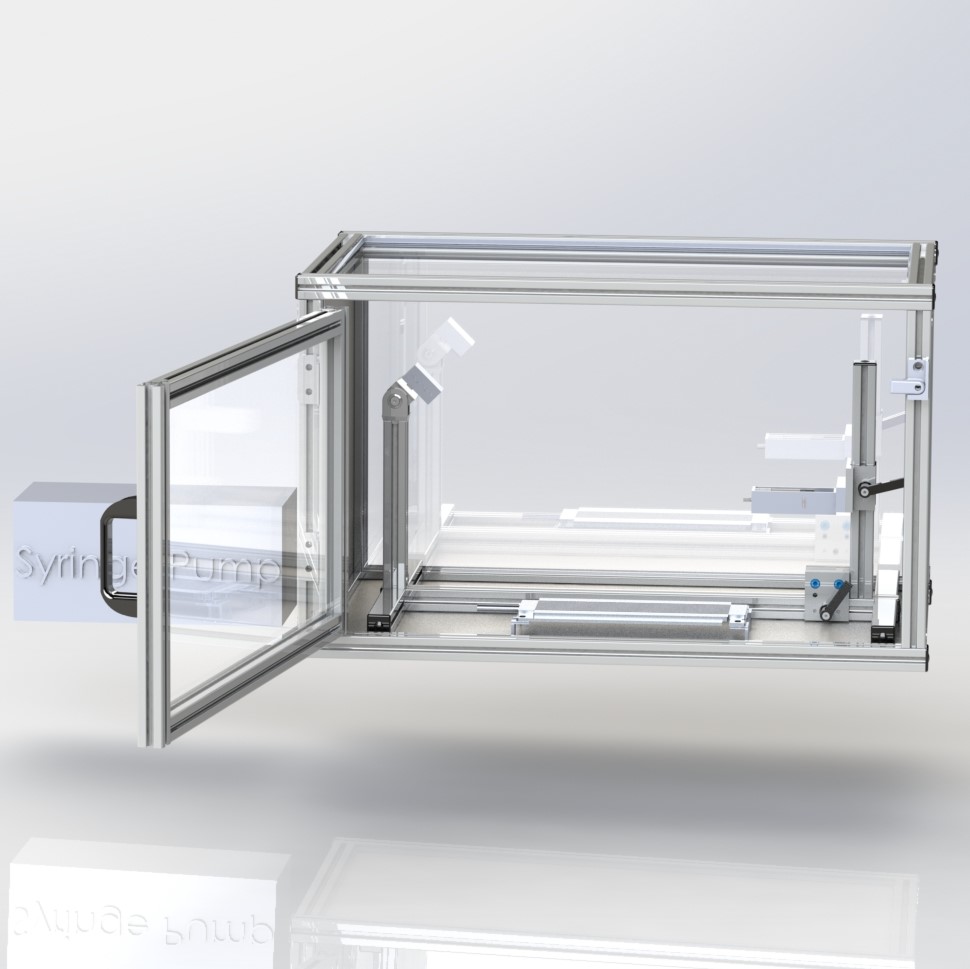
Flow chemistry systems provide a safer and more efficient means to conduct chemical reactions that traditional laboratory methods. Commercial flow systems are prohibitively expensive, so, many low cost, DIY flow systems have been developed. This project focuses on improving existing DIY flow systems to enhance functionality and usability.
Image shows a computer monitor with GUI and two modular syringe holders with servo motor refill mechanisms.

Triton Solar Car Front Suspension System

2021-2022 - Winter

Team: 4

Team Members

Vivian Chou
Leonardo Duga
Tsz-Wai Kwok
Zhenlin Liu
Shenglin Yang

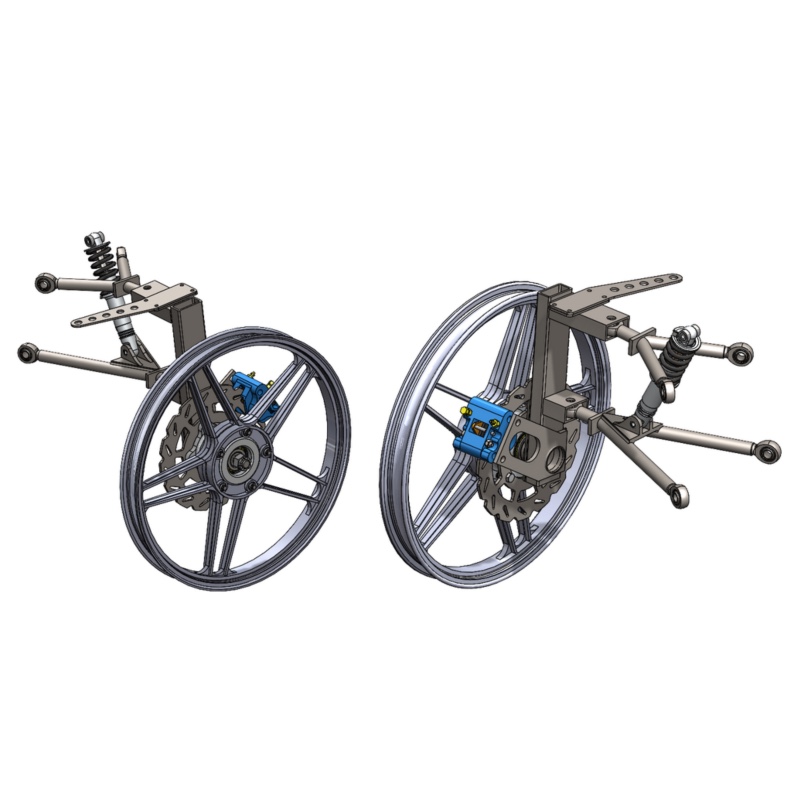
Solar Cars are designed to be extremely aerodynamic and lightweight as possible, to maximize efficiency using available energy from the sun. As the Solar Car is a road vehicle that will be run on freeways, it must be able to withstand loads from uneven road conditions, while protecting the driver and the car. The suspension systems designed in this project must meet these requirements, and additional objectives were considered to optimize performance.
Image showing left and right views of redesigned front suspension system attached to a single wheel.

Baseball Fielding Machine

2021-2022 - Winter

Team: 1
Team Members

Keon Peng
Matthew Mcauliffe
Phillip Truong
Hongyuan (Ray) Zhang

Contact Team
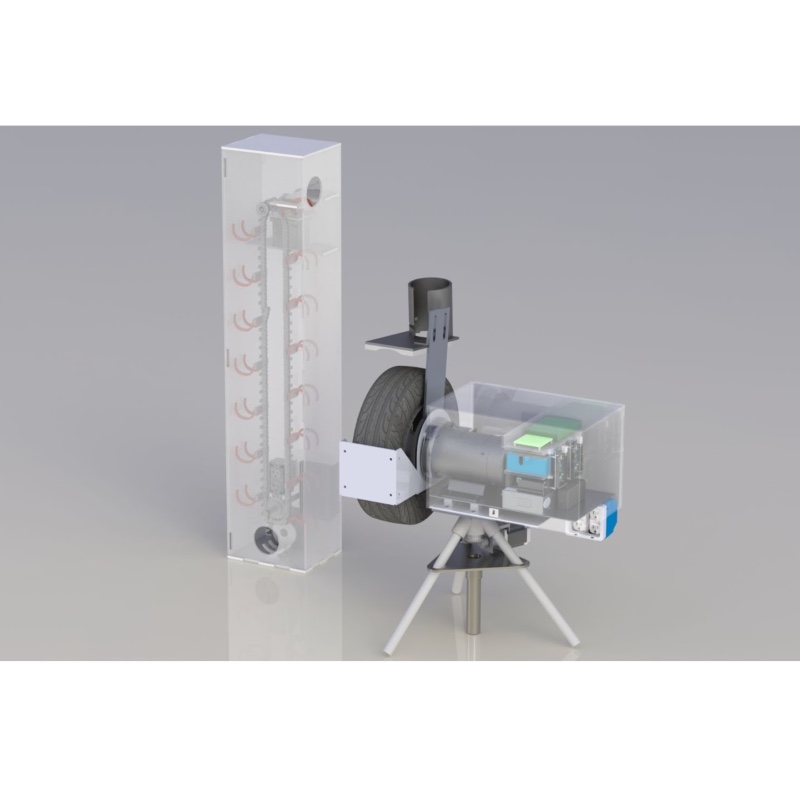
Our design allows for a more economical system that allows players to practice defensive fielding without the need for other players or coaches while still being affordable for most of the baseball communities. "The Trainer" was designed to be an automated baseball fielding machine that will allow for individual fielding practice for all different types of players.
Picture of baseball fielding machine with acrylic housing and large treaded wheel, and ball feeder

Dermal Cooling Vest

2021-2022 - Winter

Team: 6

Team Members

Iain Coyne
Ori Asulin
Stella Yee
Yang Song

Contact Team
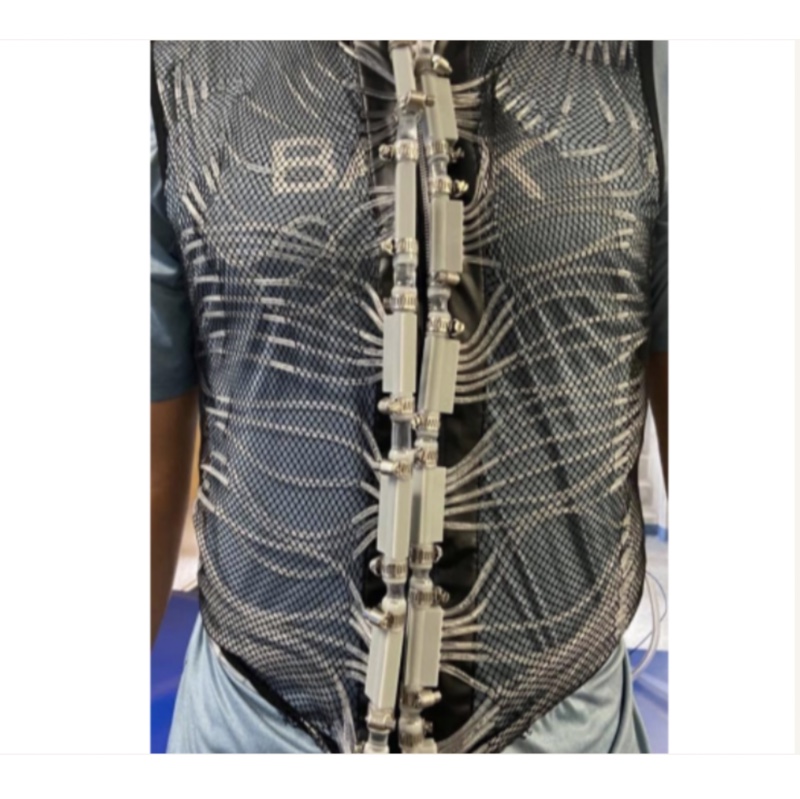
We designed and prototyped of a water circulated cooling vest to mitigate heat-related illnesses for personnel in hot and humid environments. We implemented a refrigeration system to replace the Peltier Plates used in previous iterations of the vest.
Image of a person wearing a cooling vest with tubing running out from a central line of valves that goes down the ches

Mechanical Design of Control Solution for Autonomous evGo-Kart

2021-2022 - Winter

Team: 7

Team Members

Ivan Rodionov
Genesis Jimenez
Haojung Zhang
Yikai Huang

Contact Team
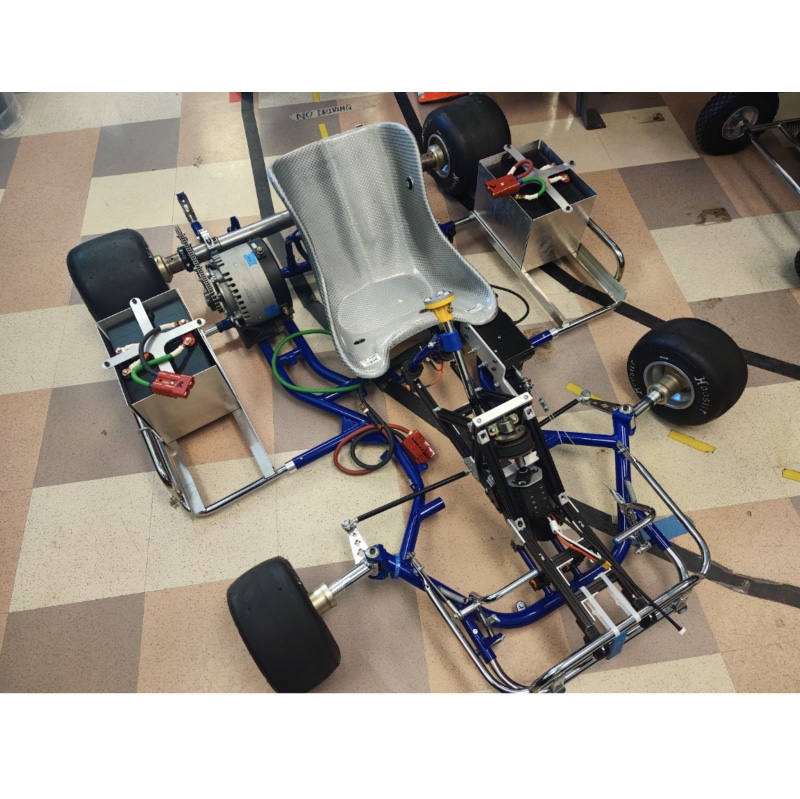
Design, source, and install braking and steering systems for an autonomous go-kart that accepts computer inputs while allowing the human driver to override the mechanisms by pushing the manual control or Emergency off (EMO) button.
Photo shows the autonomous car, consisting of a center seat and a frame with semi-exposed components.

Scripps Buoy Radar Project

2021-2022 - Winter

Team: 8
Team Members

Trevor Kelly
Leroy Pham
Luis Garcia
Andrew Kang

Contact Team
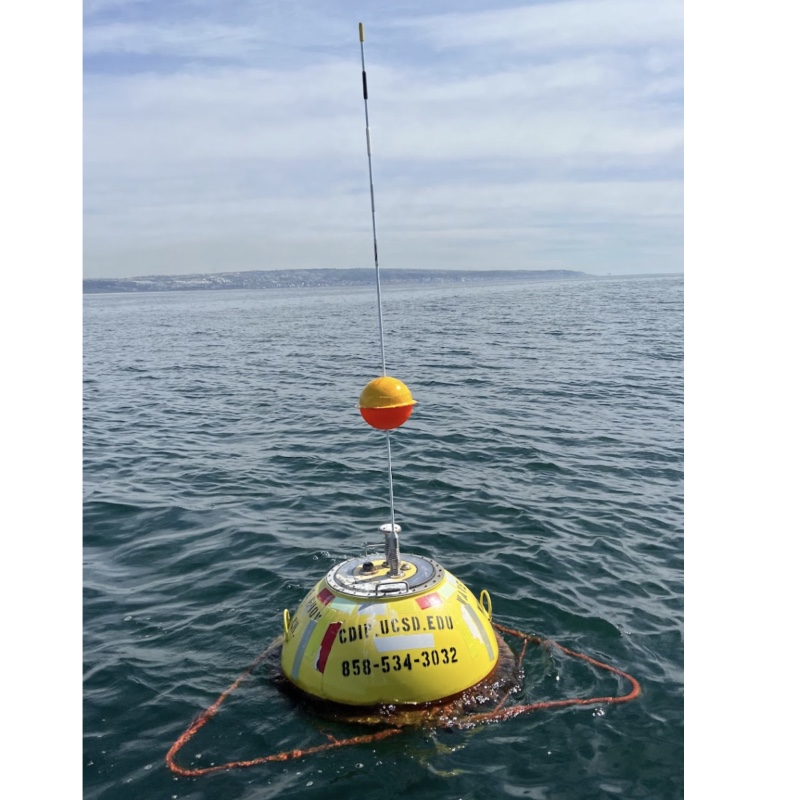
In the past the CDIP purchased an off the shelf Mobri radar reflector, which would end up breaking off the buoy and when attached returned a signal that was weak and not visible at a distance of 100m. Our goal was to help illuminate the buoy's location on radar screens while not affecting the data collected by the buoy. Long term the CDIP needs to see an increased up time for their buoys.
Yellow bouy floating in the ocean with a smaller round orange bouy on a metal rod sticking out the top of the yellow bouy.

Pneumatospinning Apparatus for Tissue Engineering

2021-2022 - Spring

Team: 7

Team Members

Rodrigo Villarreal
Rosario Obregon
Nestor Guerrero-Sandoval
David Pope

Contact Team
Improve the experimental process of pneumatospinning scaffolds by creating a modular chamber with the ability to control different parameters. By improving the ability to tissue engineer scaffolds, this device will allow for further research and development for the surgical replacement of torn menisci.
Pneumatospinning Apparatus for Tissue Engineering

Novel Otoscopy Skills Trainer

2021-2022 - Spring

Team: 4

Team Members

Jordan Luk
Nathan Chiu
Matthew Lau
Hao Guan

The purpose of this project is to develop a novel otoscopy skills trainer to help improve the ear exam skills of medical students and residents.
Novel Otoscopy Skills Trainer

Triton AI Autonomous GoKart

2021-2022 - Spring

Team: 3
Team Members

Adrian Castaneda
Jack Griffin
Hanson Nguyen
David Qiao

Contact Team
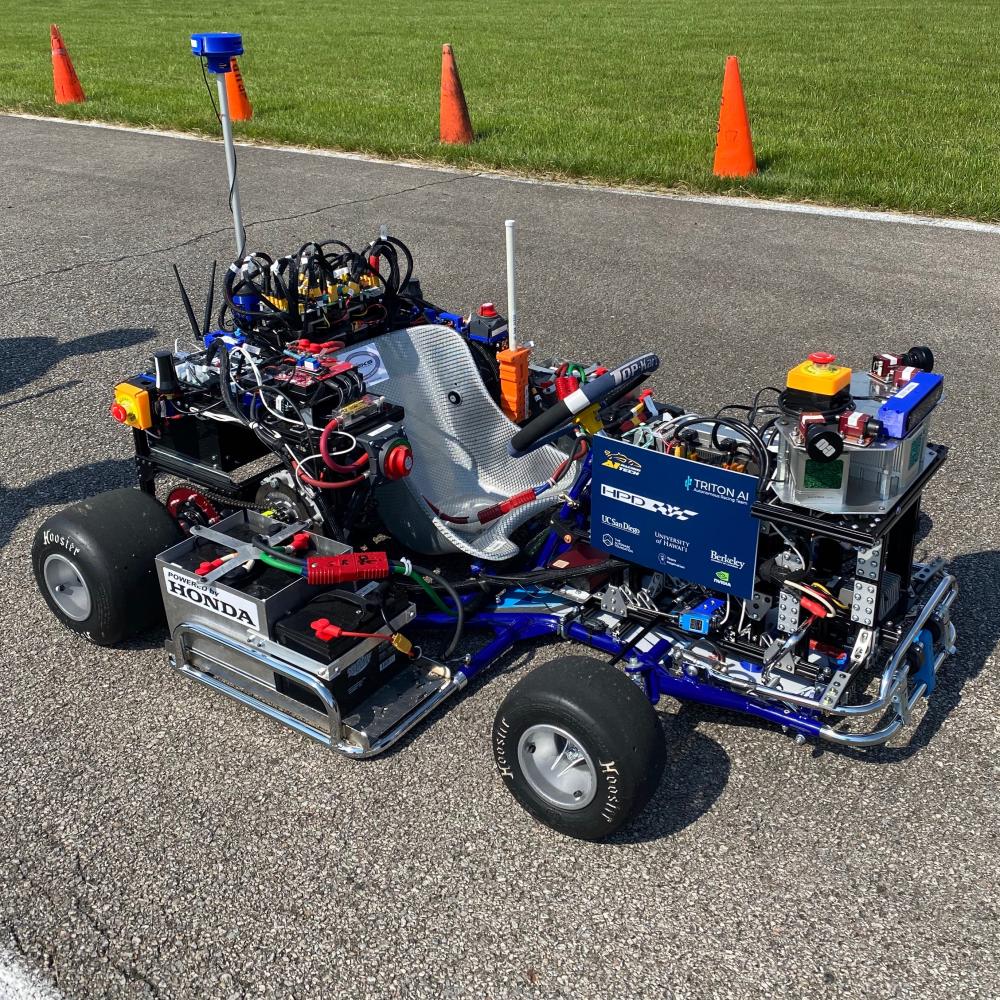
Triton AI is a student organization at UCSD, led by academic advisor Dr. Jack Silberman, that focuses on learning artificial intelligence and applying that knowledge towards competing in various robot competitions. Our task is to make a reliable electric kart for the software team to develop AI algorithms and compete in Autonomous Electric Kart Racing events.
Image of Triton AI Autonomous Electric Kart

Next-gen Respirator For Healthcare Workers

2021-2022 - Spring

Team: 2
Team Members

Haofeng Chen
John Souza
Changhong Chen
Yi Mao

Contact Team
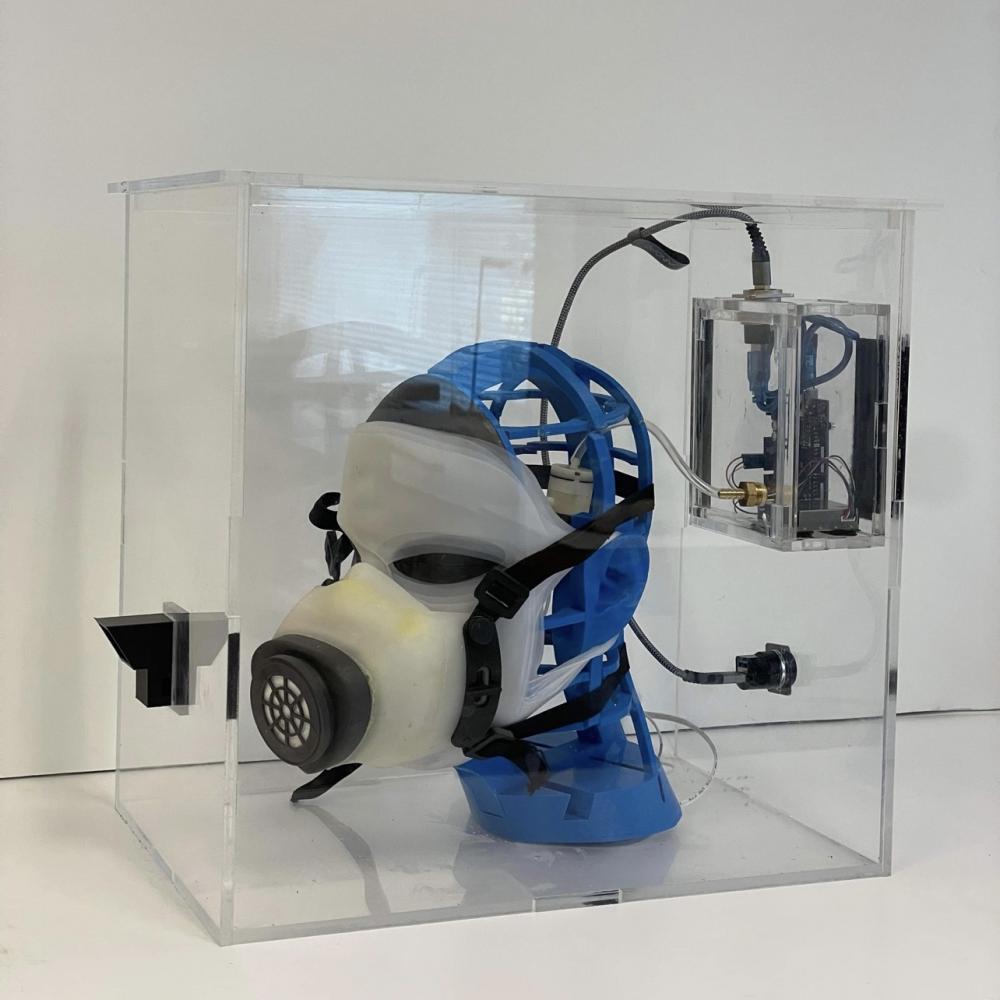
During the COVID-19 pandemic in recent years, despite being provided with N95 masks and other personal protective equipment, many health care workers were still infected with COVID-19, some even had debilitating situations and ended up staying in an ICU unit for emergency care. Thus, this project’s main objective is to redesign and improve the current respirator designs and bring quality working conditions for all health care workers.
The image shows the designed respirator, the testbed, and the head model

Tracheostomy Humidification

2021-2022 - Spring

Team: 5
Team Members

Liam Mathers
Brady Walther
Victor Magallanes
Tra Luong

Contact Team
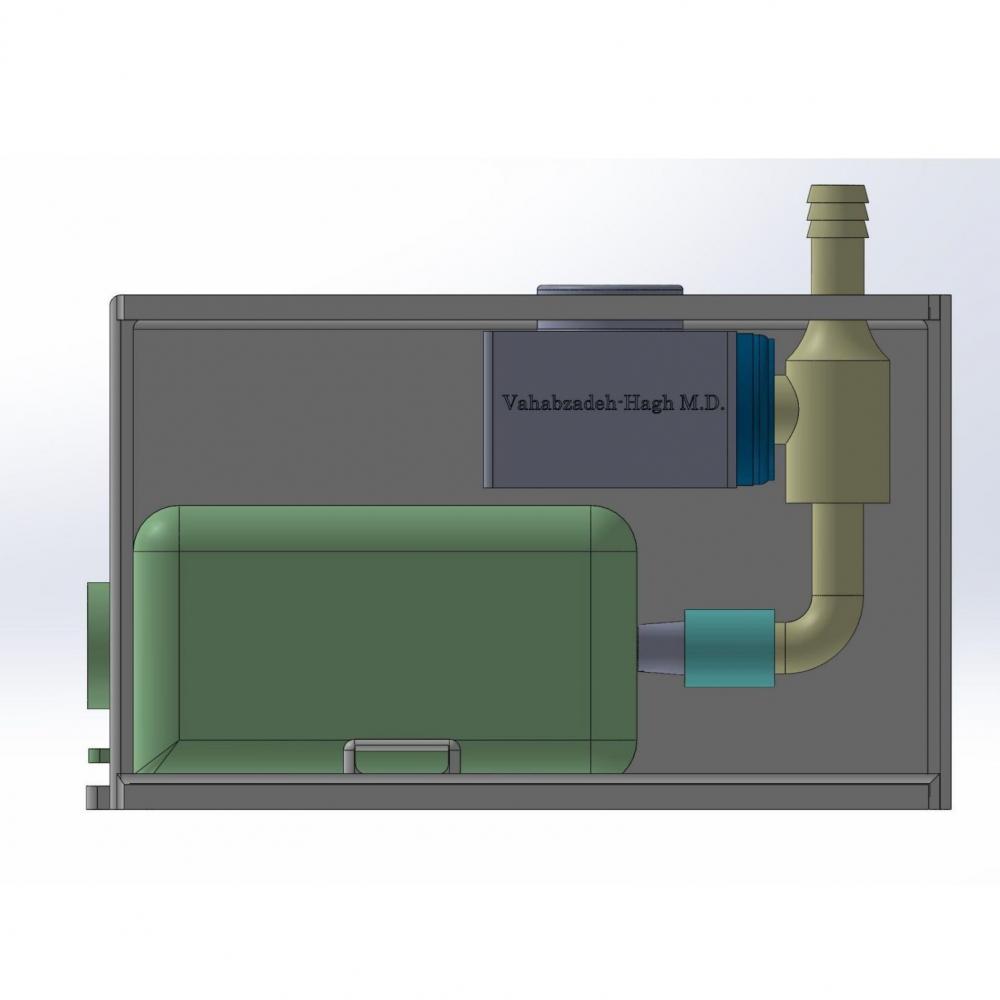
This device is responsible for humidifying the airways of tracheostomy patients in intensive or long-time acute care facilities. It serves as proof of a more efficient, quiet, and portable replacement to the current device used in hospitals. Rather than using compressed oxygen for water atomization and transport, this device utilizes a micro aperture piezoelectric crystal for water atomization and a small pump coupled with a customized Venturi device for water transport.
Solidworks assembly of the final prototype. It displays all major components of the system including, the crystal housing, venturi device, pump, etc.

Bioabsorbable Staples

2021-2022 - Spring

Team: 21
Team Members

Justin Ewell
Albert Fong
Will Jones
Genesis Juarez

Contact Team
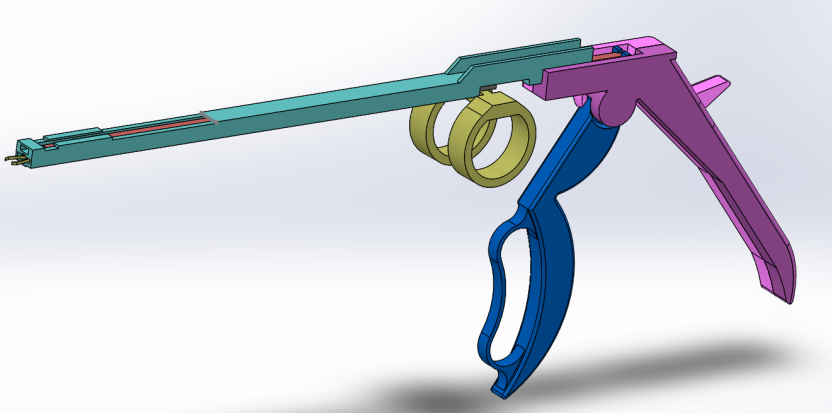
Bioabsorbable staples and endoscopic stapler modified to deploy staple design; specific to wound closure in laryngeal surgeries.
Bioabsorbable Stapler Device

ARMOR Lab Field Deployable Wearable Sensors

2021-2022 - Spring

Team: 16

Team Members

Philip Baumsteiger
Carlos Guerreros
Devavrath Hemantha Kumara
Adolfo Lopez Miranda
Contact Team
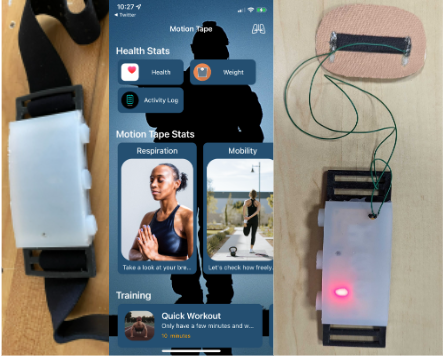
The aim of this project was to design and prototype a portable, wireless, data acquisition sensing node that can reliably measure data from a nanocomposite skin-strain sensor during outdoor, athletic training environments.
DAQ System

Aerial Wildland Firefighting Foam Delivery Chute

2021-2022 - Spring

Team: 12

Team Members

Wesley Chau
Raymond Constantine
Eder Landgrave
Juan Ramirez

Contact Team
An expandable and contractible chute based on the origami of Kresling folding pattern. To be used as a conical guide for fire retardant foam in the form of bubbles that help suffocate and cool wildland forest fires. This design iteration potentially allows for a revolutionary system to deploy its suppressant effectively from the bottom of a specifically outfitted helicopter to the ground below.
An expanding and contracting chute based on the origami driven Kresling pattern, designed specifically to deliver retardant foam to wildland fires.

Simons Array PB-2B Receiver Cradle

2021-2022 - Spring

Team: 19

Team Members

Shannon Lo
Nathan Han
Stephanie Cote
Ray Nunez Soto

Contact Team
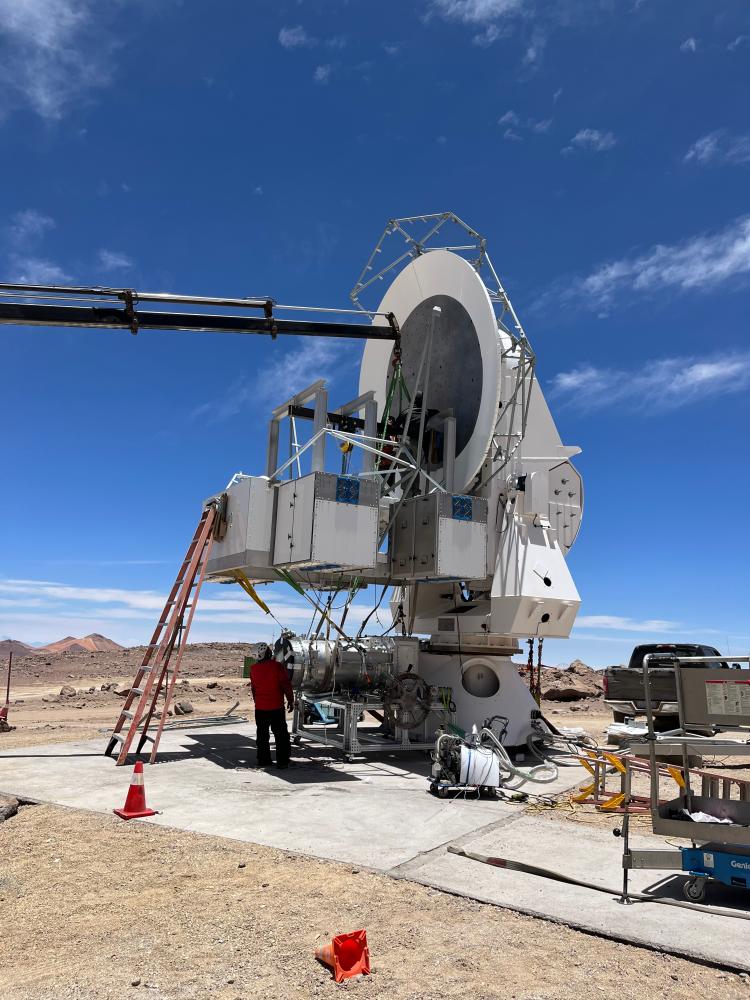
The goal of this project is to understand the current issues with the Simons Array Hoist Assembly and recommend any alternative approaches to improve safety and reliability concerns. For the mechanical design, the team's goal is to create a cradle that will support the receiver on all sides by minimizing major stress points and will contain lifting points for chains and straps, while also avoiding interference with other parts of the telescope.
One of the three telescopes at the Simons Observatory

Fenestrated Escharotomy Instrument

2021-2022 - Spring

Team: 11

Team Members

David Li
David Protonotarios
Paige Swyney
Zachary Daley

Contact Team
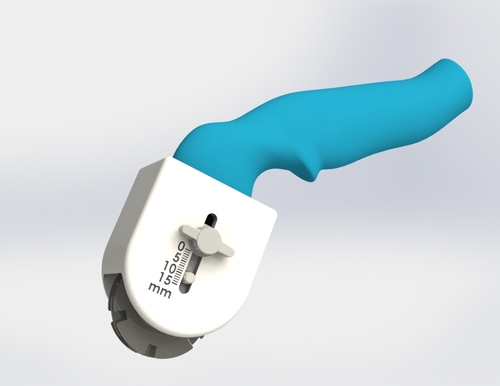
The material properties of human skin when exposed to flames or high temperatures change and lose their necessary elasticity. An area of interest is the chest and torso skin, where burnt skin can cause tightness in the chest and impede normal breathing. We seek to develop an incision device to produce a mesh pattern on the surface of the skin to allow for expansion and relieve pressure from the tightening of the skin.
Image of Final Prototype