Previous ASME Award Winner

Capstone Design Projects

Adjustable Head Mount for Augmented Reality Facial Motion Tracking System

2020-2021 - Winter

Team: 15

Team Members

Taylor Gulrajani
Nickan Shabdar
Huening Tong
Alistair Vizuet

Contact Team
Augmented Reality is used for face-to-face conversations with another digitally projected person in a shared virtual space. A crucial element for this experience is the ability to digitize the users’ facial expressions and body motions authentically. The Augmented Reality Head Mount serves as a self-contained, wearable system for facial and body tracking. It consists of two cameras, IMUs, a battery and a StereoPi attached to a Microsoft HoloLens 2 main frame using 3D-printed component mounts.
Image shows cameras, a battery, a StereoPi board and cables attached to a Microsoft HoloLens 2 main frame using 3D printed component mounts.

Smart HVAC System

2020-2021 - Winter

Team: 2

Team Members

Madeleine Joseph
William Evernden
Tyler Ellison
Colton Mullican

There is a need to actively measure, model and predict mass (air with particulates) flow in large buildings such as Atkinson Hall at the University of California, San Diego. Such a system can aid in controlling flow that produces desired environmental conditions and/or reduces the transport of unwanted harmful particles such as viruses.
Smart HVAC System

Tracheostomy Support System

2020-2021 - Winter

Team: 7
Team Members

Udai Kandah
Philip Lin
Karie Madrid
Ryan Yamamoto

Contact Team
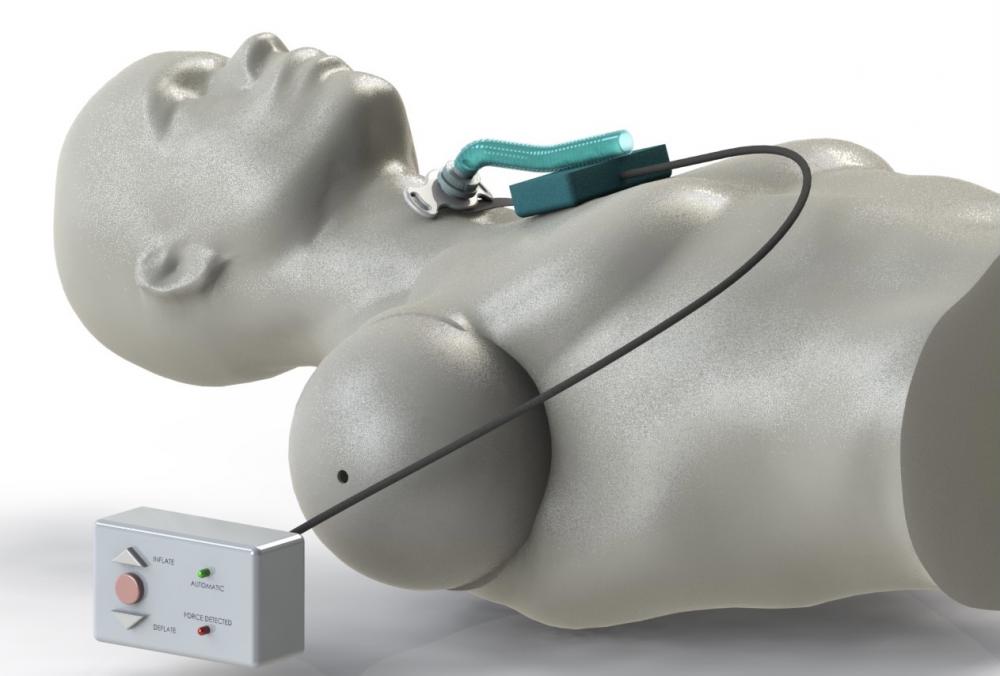
Nearly 85,000 Americans receive a tracheostomy annually. Amongst them, about 12.5% develop skin deteriorations and pain due to prolonged contact with ventilation tubing. Our project addresses this issue through the use of an inflatable silicone support that can automatically adjust based on force sensor readings. This device aims to tackle an unaddressed global problem in the hospital with a novel design idea centered around biocompatible materials, control automation, and air flow mechanics.
Inflatable support device that can automatically adjust in height using force sensor feedback.

Sole Survivors

2020-2021 - Winter

Team: 12
Team Members

Garrett Crotty
Miles Kieler
Jordan Pham
Ho Wong

Contact Team
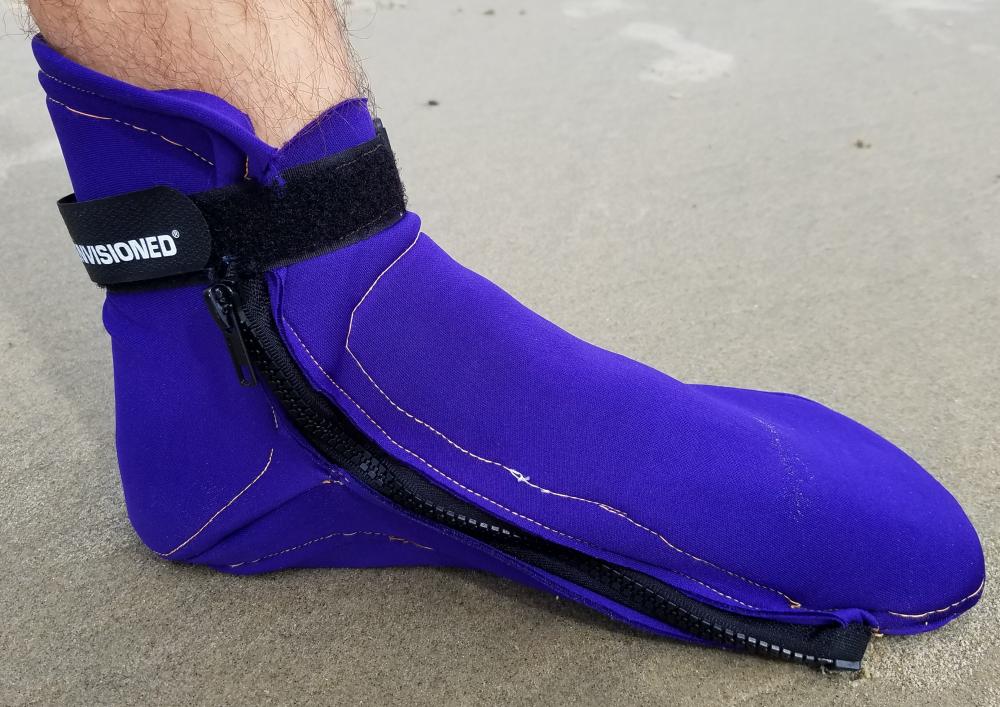
This project focused on creating a solution to reduce the amount of stingray stings for a user, which could be achieved by either a footwear item that is puncture proof or a deterrent that scares away stingrays before they are able to be of harm. The team created a footwear item named “Sole Survivors” that is puncture resistant in key areas on the sole, top, and back of a user's foot to protect the user from the stingray’s venom.
Final prototype of the Sole Survivor

Ultrasound Transducer Guide for Dental Imaging

2020-2021 - Winter

Team: 16

Team Members

Ariel Ubaldo
Nicolas Kumkom
Steven Luyapan
Sung Bum Lee

Contact Team
The ultrasound transducer guidance system was designed to aid the process of scanning the oral cavity while collecting necessary position data for 3D image reconstruction. The manually operated device has a patient position their head on a chin rest while the operator manipulates the transducer. An axial encoder and a linear encoder gather the position data of the transducer tip during the ultrasound scanning process which will be used by our sponsor to reconstruct 3D images of the oral cavity.
A front view and a 3/4 view of the ultrasound transducer guidance system  for dental imaging fixed to a table top.

Mice Vapor Control

2020-2021 - Winter

Team: 21

Team Members

Claire Stone
Quiana Stodder
Victoria Thai
Kaifan Yue

Contact Team
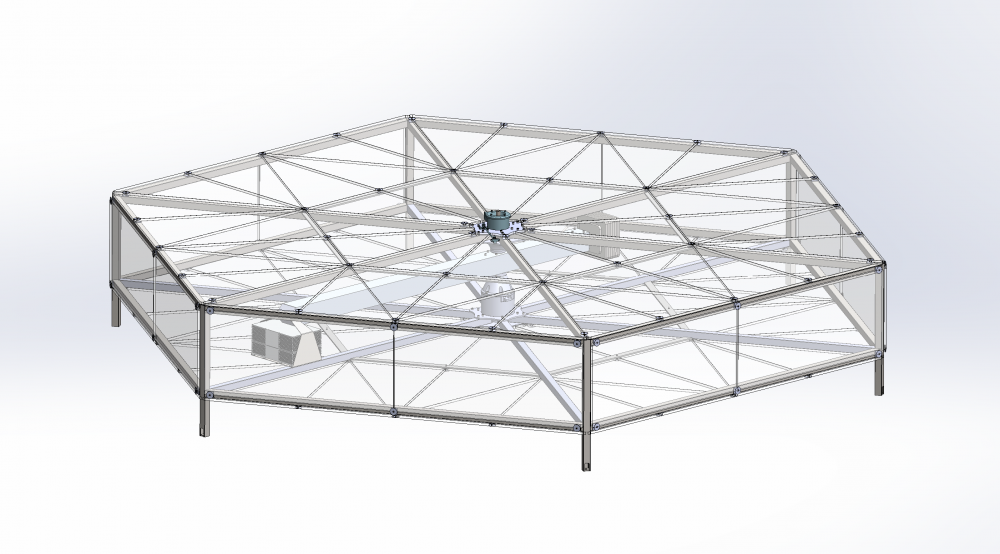
The Hnasko Lab aims to investigate the effects of opioid addiction using mice. This project sought to design an airtight and automated study chamber that allows mice to voluntarily intake drug vapor and enables the researchers to send behavioral cues using LEDs, speakers, and food pellets.
Mice Vapor Control Project Image

MRI Safe Hybrid-Fluid Actuator

2020-2021 - Winter

Team: 9

Team Members

Alexander Luke
Chi-Chung Wang (Johnson)
Hoi Man Lam (Kevin)
Jared Walker

Contact Team
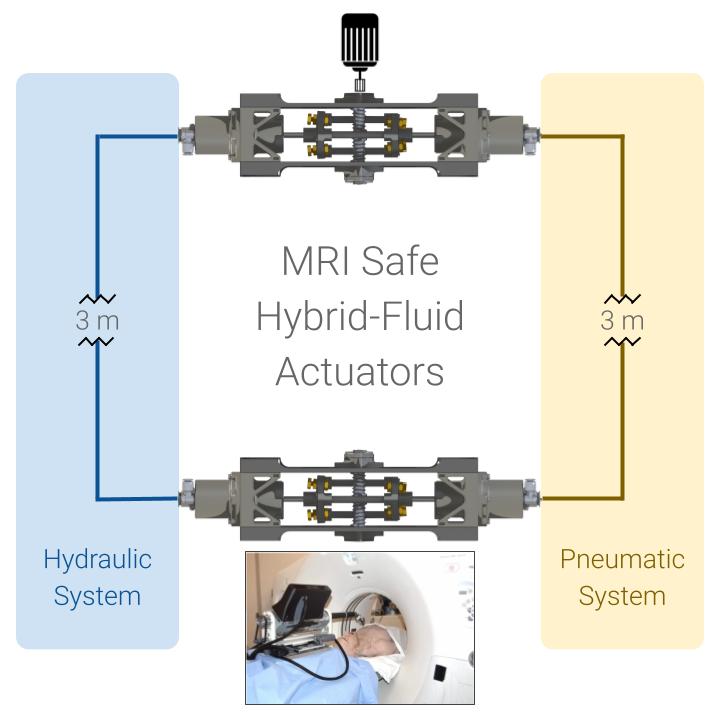
The design and manufacture of a hybrid air-water actuator system, which provides mechanical power transmission over a distance and enables usage of electric motors in robot-assisted intraoperative CT & MRI surgeries.
A pair of hybrid-fluid actuators can be used to transmit motion over a distance, enabling the development of MRI safe robot-assisted surgical systems.

Formula SAE Traction Control

2020-2021 - Spring

Team: 12

Team Members

Jack Ringelberg
Charlie Roman
Jason Kuang
Kevin Li-Zhang

Contact Team
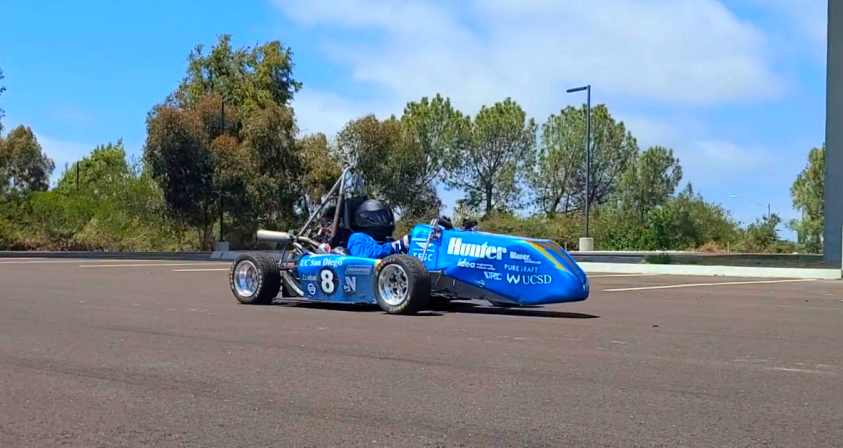
UC San Diego’s Formula SAE team, Triton Racing, has been improving the power output of their engine year after year, making it difficult for student drivers to control the car. A traction control system was implemented to assist amateur drivers in maximizing the car’s performance by electronically controlling the engine output to ensure tire wheel grip remains in the optimum range throughout various driving scenarios.
Traction Control Test

Articulet: An Articulating Endotracheal Tube Stylet

2020-2021 - Spring

Team: 36

Team Members

Alexander Coleman
Bethania Perez
Catlynn Nguyen
Win-Ying Zhao

Contact Team
A lightweight, single-use stylet that gives users real time control of an endotracheal tube, ARTICULET can bend up to 90 degrees on its distal end to reduce intubation time while minimizing complications.
Final Prototype Stylet and Complete Solidworks CAD Assembly

Solar Turbines: Ancillary Quick Disconnect

2020-2021 - Spring

Team: 16

Team Members

Patrick Finn
Jose Garcia
John David Lopez
Josue Luna
Young Ju Yun

Contact Team
A vacuum test platform was designed and manufactured in order to test both installation/removal times of clamps and bolts as well as ensure the connection solution maintained a vacuum of up to 4 in Hg. Undermount toggle clamps in combination with a neoprene foam gasket is a proposed solution to replace the current use of bolts and Sikaflex.
CAD image of the test platform with a mounted latch and undermount toggle clamp.

Improving Automated COVID-19 Testing Workflows: Pipette Challenge

2020-2021 - Spring

Team: 32

Team Members

Abdulkarim Alamad
Candice Chung
Nicole Kidess
Nikola Terzic

Contact Team
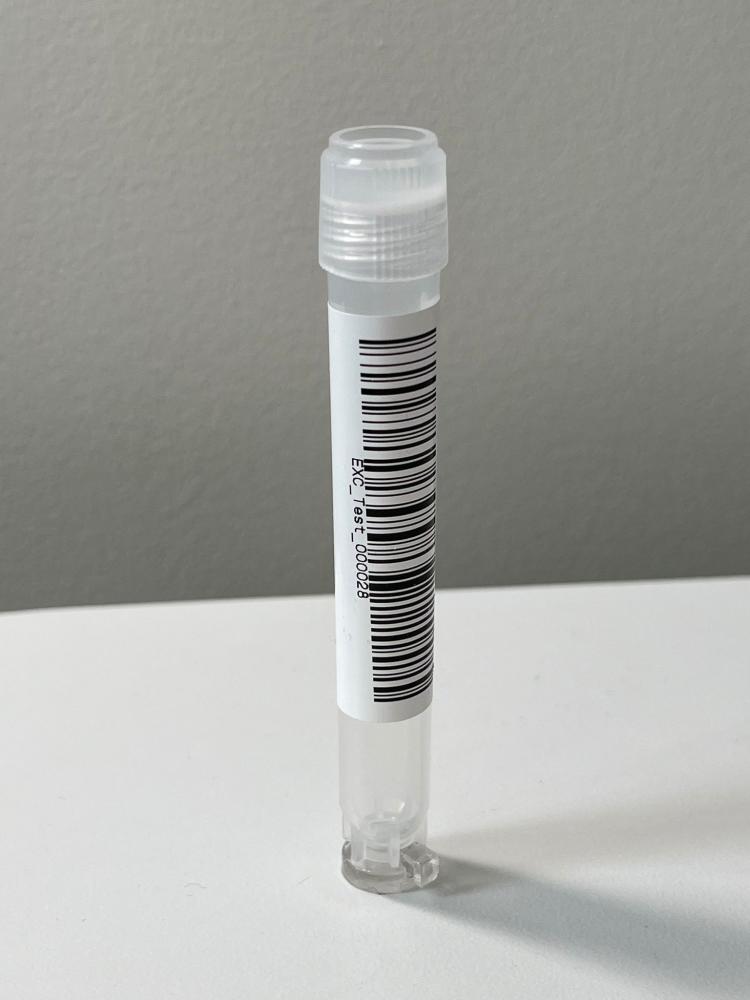
The goal of this project was to optimize COVID-19 testing workflows, allowing for more daily testing and faster results. The problem was boiled down to test tube orientation. The status quo at the EXCITE Lab was for technicians to manually align the test tubes' barcodes in a rack before placing them into a machine that scans the tubes. This wasted about two hours daily. Our solution is a detachable piece that forces the correct alignment of each tube, removing the manual alignment step entirely.
A test tube with the anti-rotation feature (ARF) attached to the bottom

Hamud Universal Upright Vehicle Rack

2020-2021 - Spring

Team: 29

Team Members

Sho Kondo
Matias Lee
Jonathan Song
Huy Tran
Peggy Tran

Contact Team
The purpose of this project was to develop a universal vehicle equipment rack that could accommodate various types of sporting equipment. The problem statement was to design and manufacture a modular rack that was: versatile with many types of equipment, durable to withstand a maximum load of 430 lbs, and cost-efficient to be less than current competitors.
The universal rack with a surfboard modular attachment.

Precision Hydrogel Injector

2020-2021 - Spring

Team: 10
Team Members

Avinash Laha
Jiansong Wang
Justin Oshiro
Aziz Mogannam

Contact Team
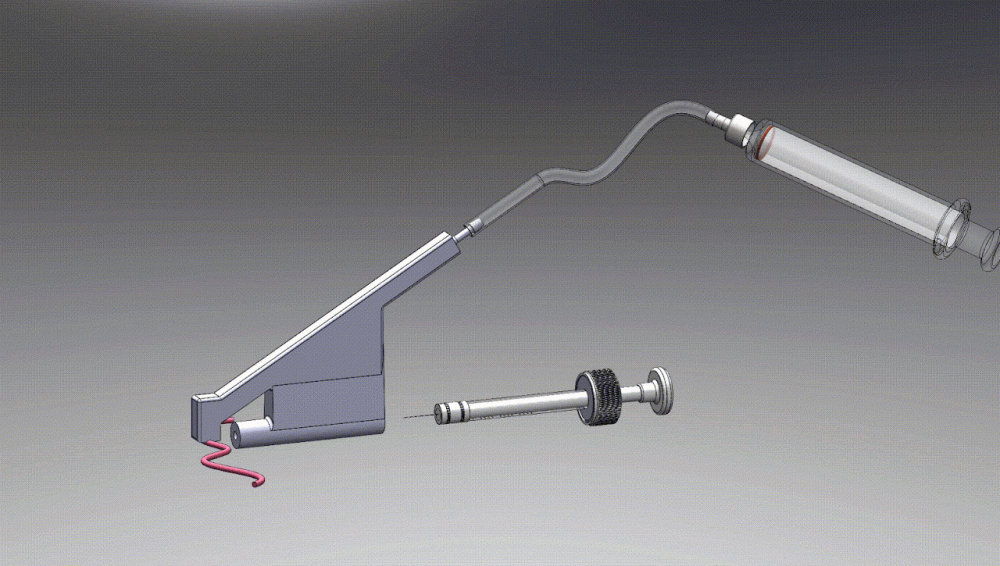
We focus on a biomedical device that creates a suction mechanism to grip onto a rat intestine model and is built with an insertion tunnel that allows a hydrogel syringe to inject the fluid at the intestinal site. The 3D printed device successfully gripped the rat intestine underwater, through which 1 μL water with red dye was injected. Red staining of the intestinal wall indicated successful delivery into the submucosal layer.
Animation of Injector

Dermal Cooling Vest

2020-2021 - Spring

Team: 33
Team Members

Rachel Oelsner
Xochilth Saldana
Noa Kerner
Samuel Steeg
Jacob Plata

Contact Team
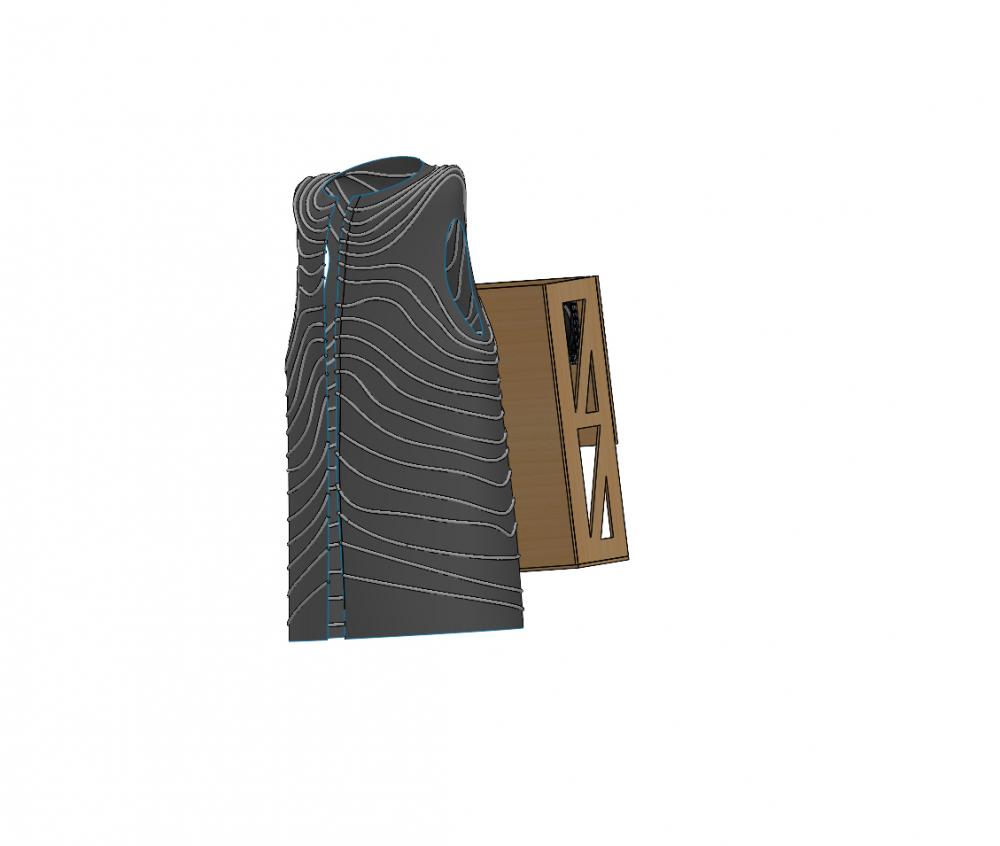
Active outdoor workers exposed to hot and humid environments face the threat of developing heat related illnesses. The dermal cooling system uses thermoelectric cooling in the form of battery powered Peltier devices to cool circulating fluid throughout a network of tubes surrounding the user’s torso. The system is completely portable and can deliver more than 200W of heat removal from the user.
A CAD model of the vest with the attached backpack are shown.

MRI Compatible Hydraulic Arm

2020-2021 - Spring

Team: 21
Team Members

Anthony Jiang
Dan Truong
Jimmy Do
Julia Doan
Lucas Jonasch

Contact Team
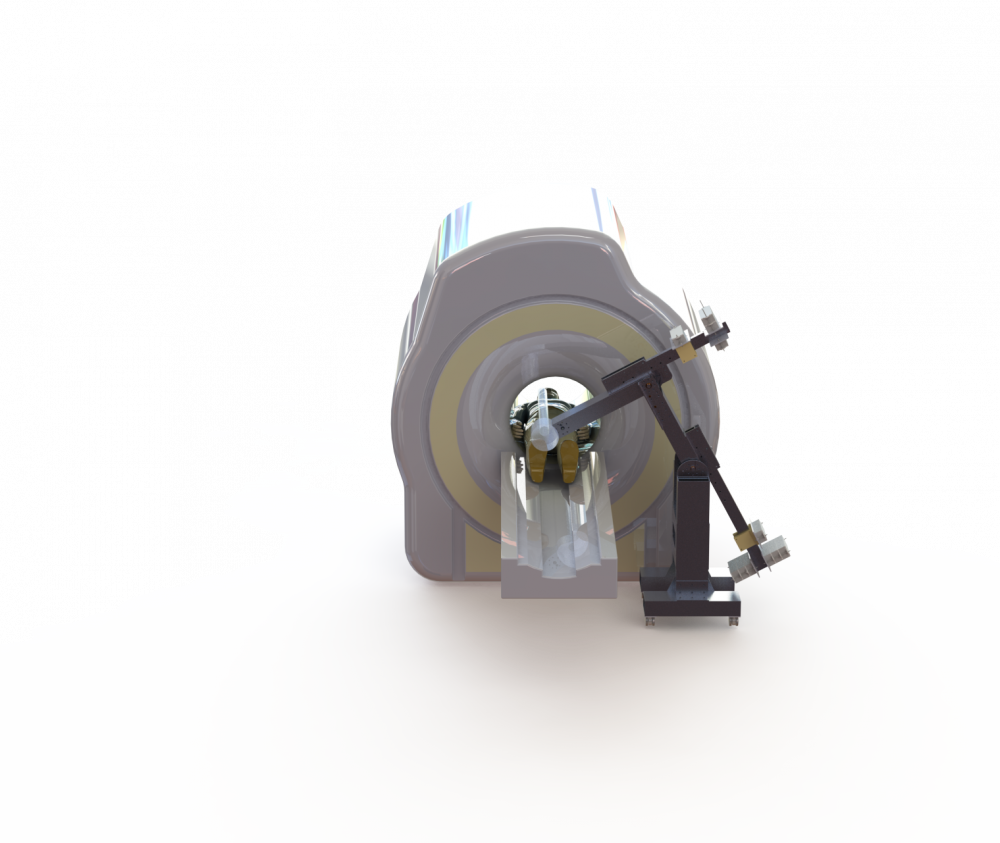
Sponsored by UC San Diego’s Advanced Robotics and Controls Lab, this project focused on the development of a MRI compatible hydraulic arm, which serves as a base for future research and development. The project’s motivation was to develop a system that can robotically perform needle biopsies to enable physicians to diagnose and operate on medical conditions without requiring line-of-sight to the anatomy.
CAD render of arm system and MRI machine

Cell Growth Bioreactor for Tissue Regeneration

2020-2021 - Spring

Team: 19

Team Members

Samuel Wagner
Dominic Nightingale
Nicholas Sumbria
Alexandre Timonian

Contact Team
Peter Chen, PhD. a stem cell researcher from the Biosciences Institute has engaged student engineers to construct a prototype bioreactor chamber that has the ability to stimulate a target cell population with: magnetic stimulation, electrical stimulation, static compression, and exposure to laminar shear stress. The completed bioreactor test chamber provides researchers with the tools to evaluate the effects of electromechanical stimulation on stem cells in a reproducible manner.
Figure: CAD of the bioreactor culture chamber assembly with integrated coil for concurrent viewing of magnetic field stimulation of cells under tissue culture.

FSAE Composite Anti-Intrusion Plate

2020-2021 - Spring

Team: 11

Team Members

Norman Chen-Liaw
Dante Khandelwal
Amy Liang
Saketh Madamala
Efran Martinez
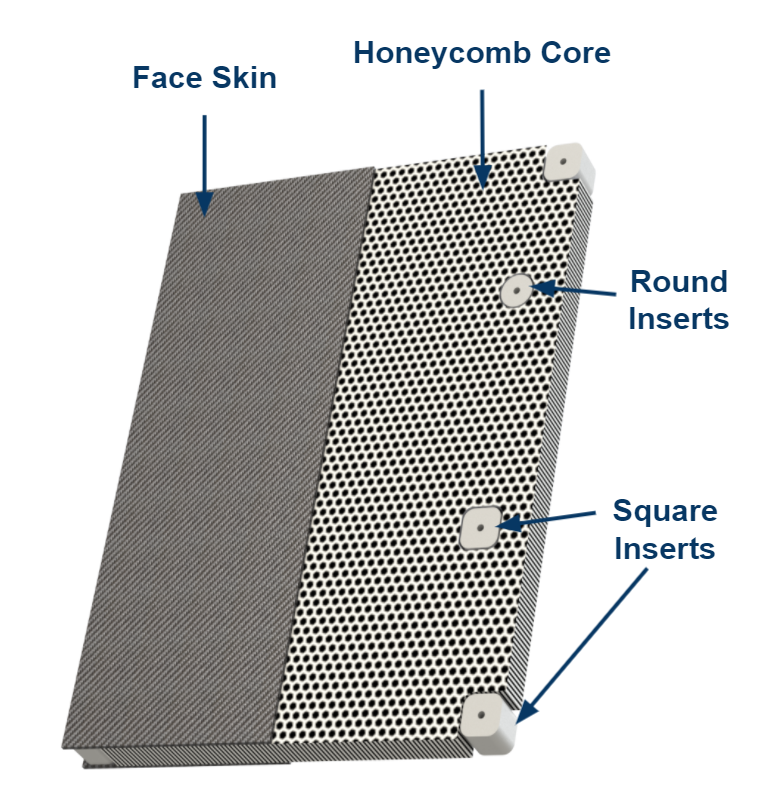
The design, manufacturing, and testing of a composite anti-intrusion plate for the front impact structure of a Formula SAE vehicle.
CAD render of the final composite anti-intrusion plate design showing the face skin, honeycomb core, and inserts.

Thermal Switch

2020-2021 - Spring

Team: 24

Team Members

Julia Guerrero
Caleb Kobriger
Samantha Lee
Brooke Pauken
Noah Sheen

Contact Team
The thermal switch project, sponsored by Professor Carlos F. Coimbra and Gregory Specht, studied the effectiveness of a gas-filled expansion switch design. Specifically, the focus of the project was to prove or disprove the possibility of a gas powered thermal switch to be used on rovers in Lunar and Martian missions.
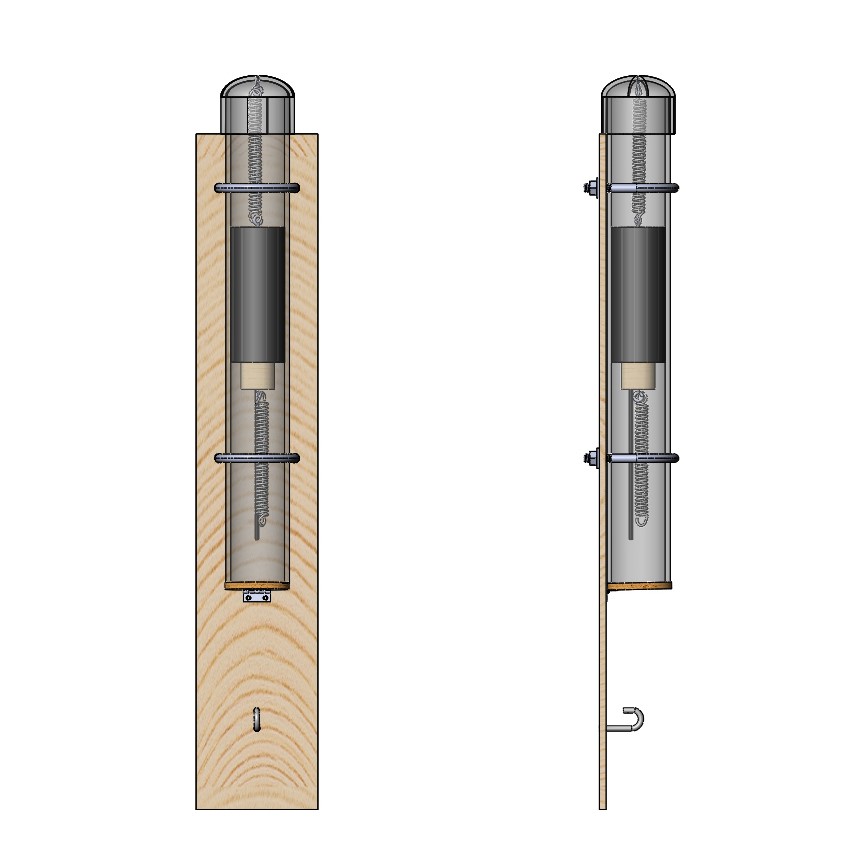
CAD model of upside small go-pro like camera within a clear encasement. Attached to the camera are a heat sink, bellow (spring like cylinder), and thermal insulating material. On the top and bottom of the encasement are aluminum plates.

NIWC Drag on Inline String of Spheres

2020-2021 - Spring

Team: 26

Team Members

Pedro Esteban Lorenzo
Ivy Pham
Kristen Rosier
Alex Schreyer
Benny Wu

Contact Team
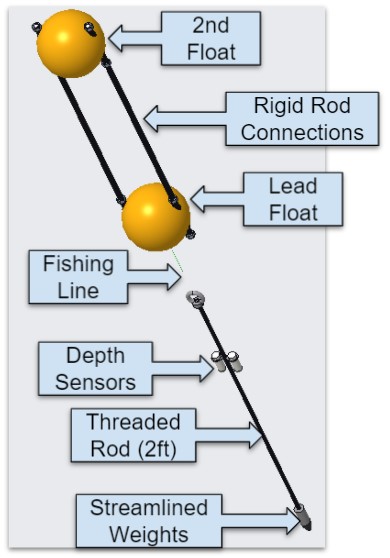
An empirical characterization of the drag coefficient of on a line of multiple spheres as number and spacing between spheres changed. This was primarily done for two in-line spherical floats at various separation distances between floats; tests were also preformed on a single float to set a baseline, and 2-5 floats with zero separation distance.
Experimental hardware assembled. Rigidly linked spherical floats are connected to sensors and weights.

Wearable Countermeasure Device

2020-2021 - Spring

Team: 30

Team Members

Nicholas Ashforth
Nathan Burdick
Keva Chin
Nathan George
Mario Miguel
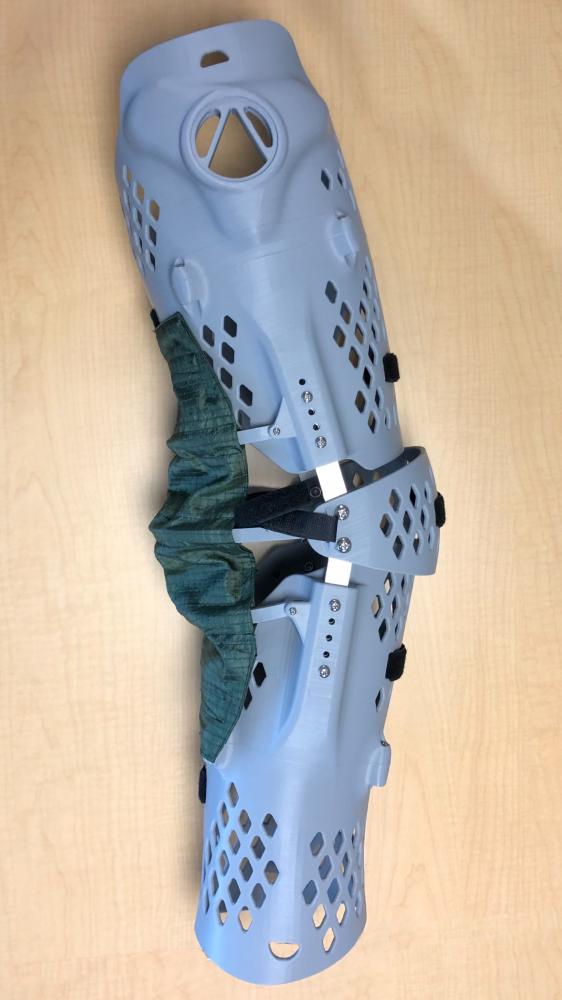
This project seeks to create a working prototype for a flexible and mobile Lower Body Negative Pressure (LBNP) device for use in extended microgravity environments, the purpose of which is to partially simulate the effects of gravity to mitigate the deleterious effects of prolonged microgravity exposure on human physiology. Such systems have already been flown on orbit, but all have been stationary. A mobile and flexible system is necessary to maintain the astronauts' operational schedules.
Prototype LBNP Exoskeleton

Hair Snag Project

2020-2021 - Spring

Team: 28

Team Members

Kylie Rankle
Gemma Calandra
Grant Barclay
Katie Freitag
Mathieu Giroud

Contact Team
Researchers studying animals in the wild often use “hair snags”, devices placed in a habitat to collect hair samples when animals interact with them, to collect and study animal DNA. More often than not, current hair snag designs capture hair from more than one individual animal, which makes it harder for researchers to inspect the DNA samples. To correct this issue, we have created a prototype for a single-sampling hair snag that successfully collects and isolates a sample from a single animal.
Front and Side view of hair snagging device after being triggered

DIII-D DiMES Port Rod Ablation System

2020-2021 - Spring

Team: 17

Team Members

Michael Hanson
Jason Escalera
Hadith Taheri
Daniel Zubovic
Caitlin Villareal

Contact Team
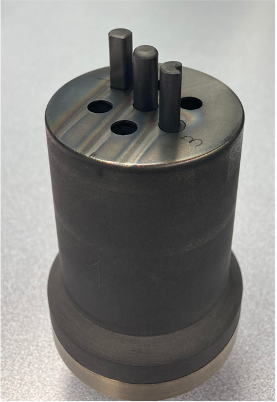
We present the design of ATJ graphite rods developed for ablation experiments under high heat flux (up to 50 MW/m2) in the lower divertor of the DIII-D tokamak.
Image of the completed rod ablation system

UCSD MED - Autoinjector for Ultrasound Guided Nerve Blocks

2020-2021 - Spring

Team: 31

Team Members

Kin (Walter) Chao
Michel Jacob Graff
Tyler Knapp
Trinity Pike
Wiley Weber

Contact Team
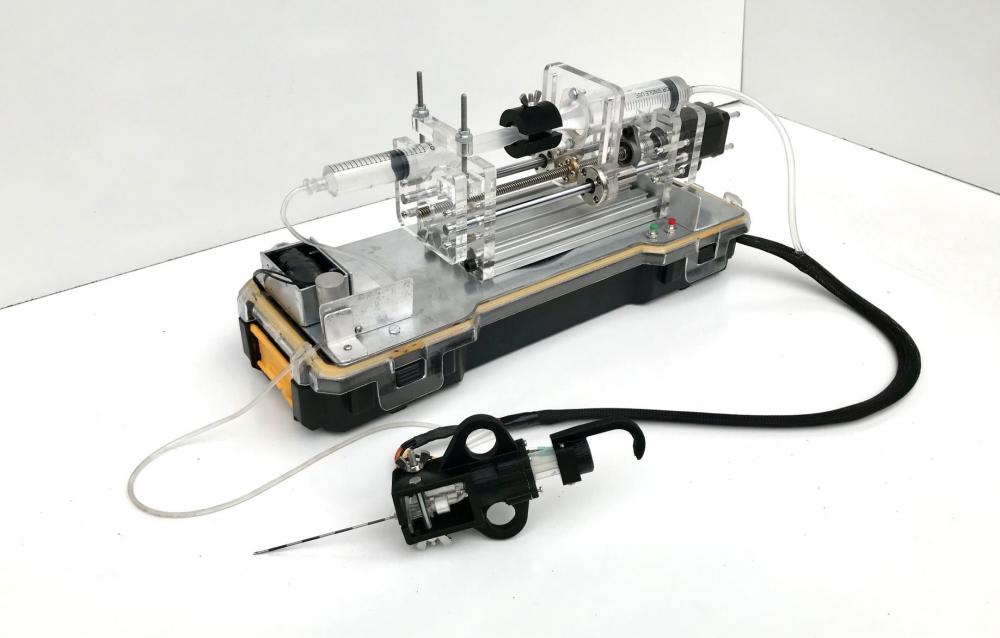
This project focused on the development of a medical device to streamline and improve ultrasound guided nerve blocks. These procedures currently require two medical personnel, an anesthesiologist and an assistant. Ideally, this procedure would be performed by the anesthesiologist alone as the forces felt throughout the injection provide valuable sensory information about the state of the operation. Thus revealing the need for an Auto-Injector device enabling this desired one-person operation.
Final Autoinjector Physical Prototype

Endoscope Torque Applicator

2020-2021 - Spring

Team: 35
Team Members

Jinho Hong
Canwin Tso
Taewook Kim
Isaac Gonzalez

Contact Team
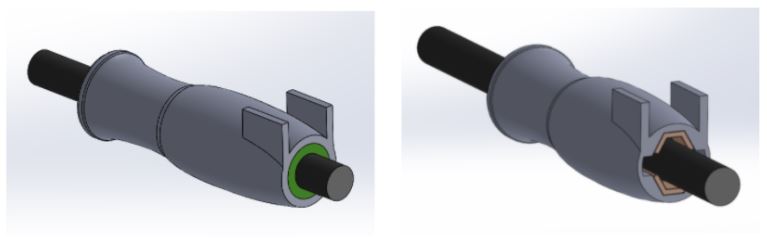
The objective is to design, build, test, and document a device that can reduce the stress on a doctor’s body when performing an endoscopy by applying mechanical advantage while exerting the necessary forces to perform a colonoscopy. The device must be a cheap, disposable tool or a durable, easy to clean tool that can replace the current hand and towel combination. Finally, the device must not alter the overall procedure as that will impose a training cost on the hospital.
CAD Model of Final Product

UCSD Medical - Blood Pressure Cuff

2020-2021 - Spring

Team: 9

Team Members

Austin Chung
Albert Hernandez
Jeffrey Onuma
Jordan Wong
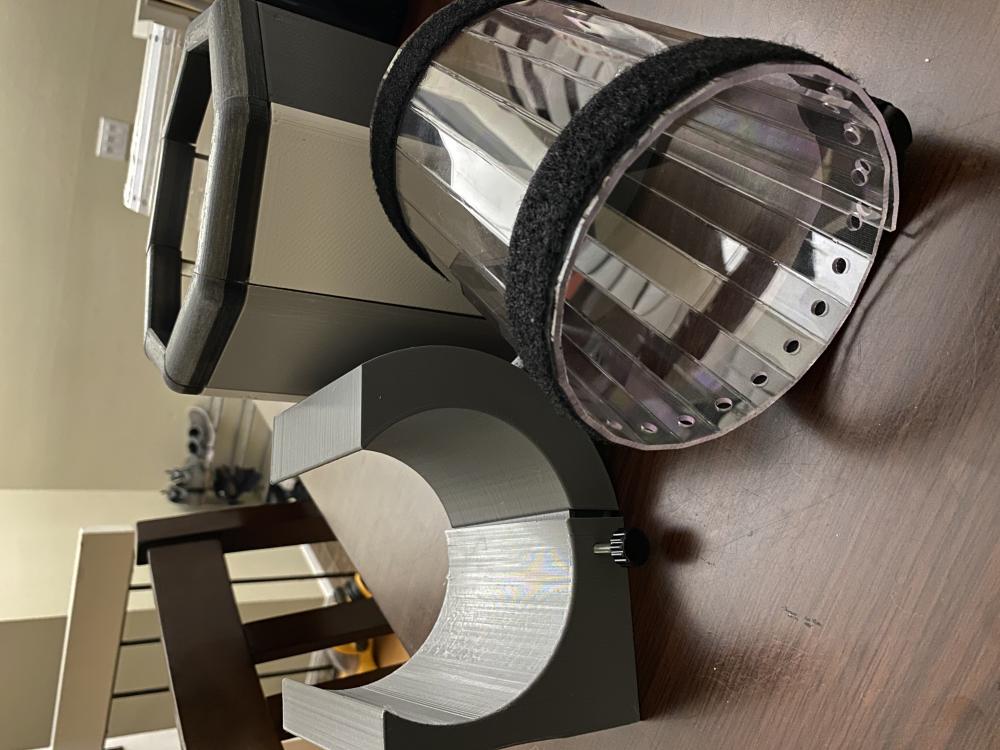
Three mechanical shields have been designed to prevent external forces from affecting blood pressure readings during surgery.
Three shield designs for blood pressure cuff protection. Flexible Shield (front right), Wall Shield (back left), and OctoShield (back right).

Bicycle Theft Detection

2020-2021 - Spring

Team: 22
Team Members

Nozomu Harada
Jared Benge
Alex Betancur
Bennet Wells
Boruch Allison

Contact Team
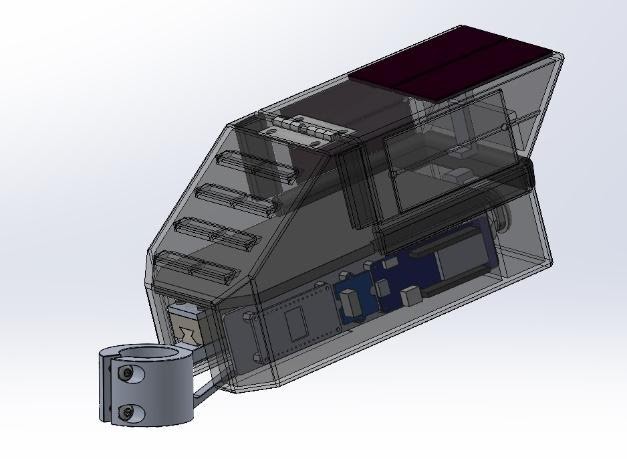
Our device, which can be attached nicely underneath a saddle like a saddlebag, is capable of sensing movement of a bike and sending an alert to the user via text messages. To achieve long operation period, the device is equipped with four solar panels which are capable of not only running the system but charging the battery whenever possible.
The image shows our device with electronic components inside being visible.

Brain Organoid Advanced Research Development in Space (BOARDS) Launch Acceleration Simulation Tool

2020-2021 - Spring

Team: 14

Team Members

Christian Chan
David Morales
Jerry Lai
Junsong Kim
Mary Nguyen

Contact Team
The pursuit of space as the next frontier of human exploration raises the question of how space microgravity affects the human brain. To study these effects, brain samples will be sent to the International Space Station aboard a Falcon 9 rocket. However, the high G-forces of a rocket launch may damage the samples. As a result, an acceleration centrifuge simulator was designed to simulate a rocket launch profile to account for these high G-forces.
BLAST centrifuge assembly that will be build and tested at The Arthur C. Clarke Center for Human Imagination.

Optimization of COVID-19 Testing Workflow

2020-2021 - Spring

Team: 6
Team Members

Sidney Chan
Miya Coimbra
Garrett Dawson
Matthew Lok
Haoyi Tian

Contact Team
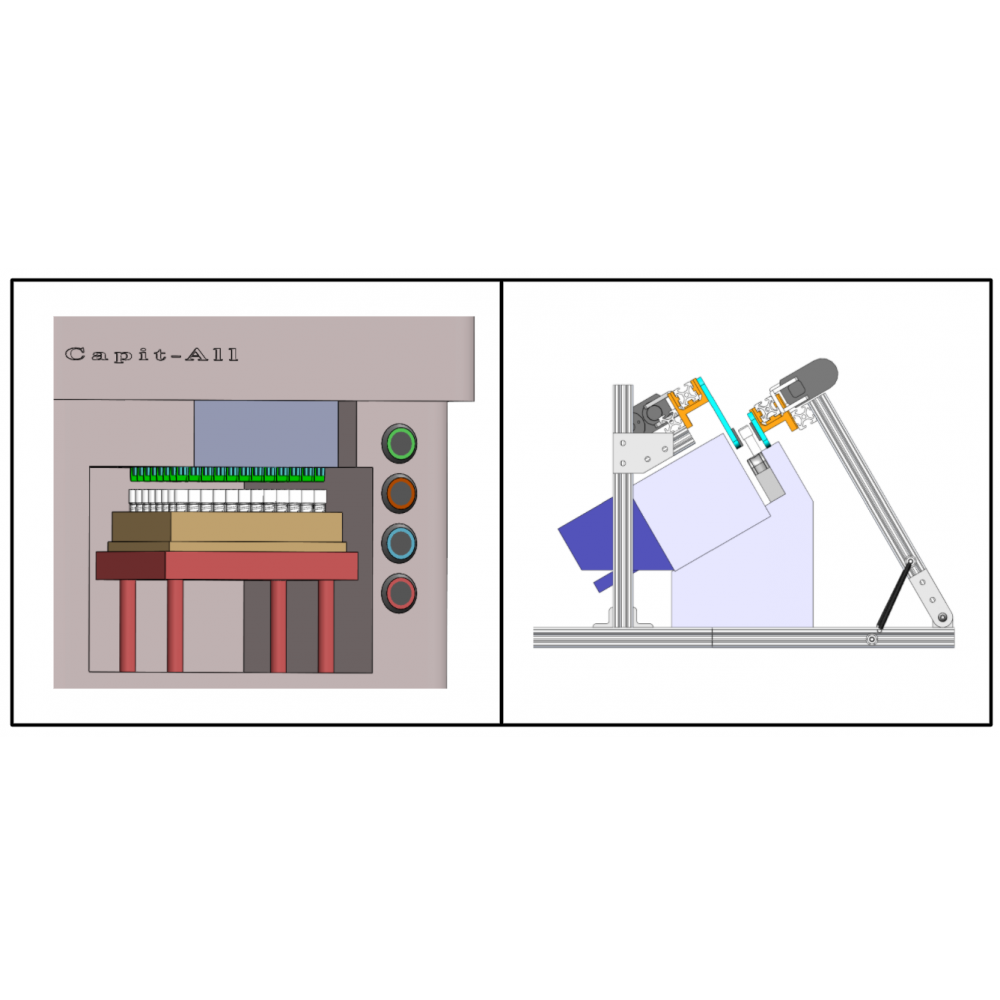
This project provided two solutions for automating the decapping of COVID-19 sample test tubes in UC San Diego's EXCITE Lab. The goal of the project was to increase overall testing throughput by decreasing decapping time and circumventing limitations on certain equipment.
Left image: Adapters for the Capit-All machine to aid in decapping 1-1.4 mL tubes. Right image: The Parallel Beam Decapper, which decaps 5 mL tubes.

ATA Smart Animatronic Figure Breakaway Joint

2020-2021 - Spring

Team: 1

Team Members

Vi Ly
Xuebin Zhu
Ze Zhuang
Matthew Henry
Devanshu (Dev) Gulati

Contact Team
The primary goal of the project is to refine the functionality of an animatronic figure that ATA will use to enhance their analytical design, robotics, and controls capabilities. The project involves: (1) designing and implementing a breakaway mechanism at the upper arm segment of the animatronic figure, (2) creating a dynamic model that predicts arm breakaway under different motion profiles, and (3) developing a control strategy that safely operates the arm in the event of a breakaway.
Our animatronic figure waving hi!

Solar Turbines Alignment Mechanism

2020-2021 - Spring

Team: 5

Team Members

Nigel Coseip
Alberto Guardado
Vicente Lopez-Espinosa
Daniel Lopez Villa
Nicholas Pereyda

Contact Team
The purpose of this project was to investigate a new mounting foot design for a Solar Turbines Titan-250 turbine. Our solution would need to incorporate an actuation method which can produce precise movement, and a locking mechanism capable of arresting the feet under all conditions. The team identified two actuation solutions: a set of jacking bolts, and a worm gear screw jack. Both designs have their own advantages such as cost, maintenance, and ease of operation.
A view of the Jacking Bolt and Worm Gear solutions